
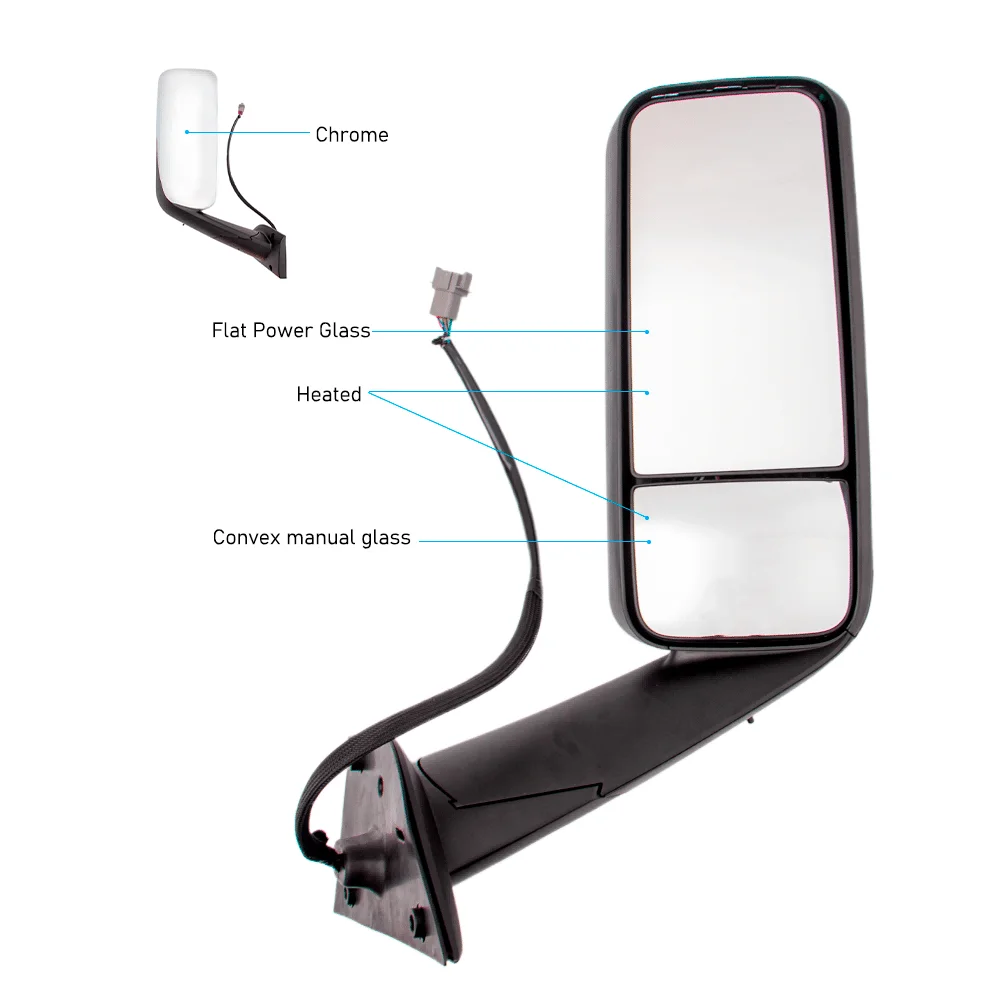
In the fast-paced world of trucking, safety and efficiency are paramount. One technological advancement that is transforming the industry is the commercial truck mirror camera. These innovative devices are designed to enhance visibility, improve driver safety, and streamline operations. In this article, we will explore the various types of mirror cameras available for trucks, their benefits, and how they are revolutionizing the way truck drivers navigate the roads.
The Rise of Mirror Cameras in the Trucking Industry
As the trucking industry continues to evolve, so does the technology that supports it. Traditional mirrors are being replaced or supplemented by advanced mirror cameras that provide a broader and more precise view of the truck’s surroundings. These cameras offer numerous advantages over conventional mirrors, making them an attractive option for truck drivers and fleet managers alike.
Evolution of Mirror Technology
The transition from traditional mirrors to mirror cameras marks a significant technological evolution in the trucking industry. The need for enhanced safety measures and operational efficiency drives this shift. As mirror technology advances, it has opened up new possibilities for integrating digital solutions that cater to modern trucking demands. The adoption of digital mirror systems is not only a trend but a necessity, enabling trucking companies to stay competitive and compliant with safety regulations.
Regulatory Push for Safety
With the rising emphasis on road safety, regulatory bodies are increasingly advocating for the use of advanced mirror systems in commercial vehicles. These regulations are pushing fleet operators to adopt technologies that minimize risks and enhance driver awareness. By complying with these regulations, trucking companies not only improve safety standards but also benefit from potential insurance incentives and reduced liability in case of accidents.
Market Demand and Adoption
The demand for mirror cameras is growing as more trucking companies recognize their benefits. This increased demand is driven by the need for improved driver performance and reduced accident rates. As the market for these technologies expands, manufacturers are investing in research and development to offer more sophisticated and user-friendly options, further accelerating their adoption across the industry.
Types of Mirror Cameras for Trucks
There are several types of mirror cameras available for commercial trucks, each designed to meet specific needs. Here are some of the most popular options:
Spot Mirror Camera for Semi Trucks
A spot mirror camera is designed to eliminate blind spots and provide a clear view of the areas that traditional mirrors may miss. These cameras are handy for semi trucks, where blind spots can be hazardous.
Eliminating Blind Spots
Spot mirror cameras are engineered to target the notorious blind spots that traditional mirrors fail to cover. By providing a comprehensive view of these hidden zones, these cameras significantly reduce the likelihood of accidents caused by unseen vehicles or obstacles. This enhanced coverage is crucial for semi trucks, given their size and the complexity of maneuvering them through traffic.
Advanced Sensor Integration
Modern spot mirror cameras come equipped with advanced sensor technologies that further enhance their functionality. These sensors can detect obstacles and provide real-time alerts to drivers, enabling them to react promptly to potential hazards. The integration of these sensors with the camera system creates a robust safety network that fortifies the truck’s defense against collisions.
Customization and Versatility
Spot mirror cameras offer customization options, allowing fleet operators to tailor the system to their specific requirements. Whether it’s adjusting the camera’s angle or integrating additional sensors, these systems can be modified to suit various truck configurations. This versatility ensures that the spot mirror camera can be effectively utilized across different types of commercial vehicles.
Side Mirror Camera for Trucks
Side mirror cameras are mounted on the truck’s side mirrors, providing a real-time view of the traffic and surroundings. This helps drivers make safer lane changes and navigate through tight spaces with ease.
Enhanced Lane Changing
Side mirror cameras provide drivers with a real-time visual of adjacent lanes, facilitating safer lane changes. By offering a clear view of the sides, these cameras help prevent collisions with other vehicles during lane transitions. This is particularly beneficial on highways and in urban environments where lane changing is frequent and often risky.
Navigating Tight Spaces
Navigating through congested areas or narrow streets can be challenging for truck drivers. Side mirror cameras aid in this process by providing a detailed perspective of the truck’s immediate surroundings. This additional visibility enables drivers to maneuver their trucks with precision, reducing the risk of accidents in tight spaces.
Integration with Navigation Systems
Many side mirror cameras can be integrated with the truck’s navigation system, enhancing route planning and execution. This integration allows for dynamic adjustments based on real-time traffic conditions, ensuring that drivers can safely and efficiently navigate their routes. The combination of visual data and navigational guidance optimizes the driving experience and enhances operational efficiency.
Rear Camera on Semi Truck Mirror
Rear cameras are integrated into the truck’s mirror system, offering a clear view of the area behind the car. This is particularly useful for backing up and parking, as it reduces the risk of collisions and accidents.
Safe Backing and Parking
Rear cameras are indispensable tools for safe backing and parking operations. By providing a clear view of the area behind the truck, these cameras help drivers avoid obstacles and prevent accidents during these critical maneuvers. The visual feedback from rear cameras is especially valuable in tight parking situations and crowded loading zones.
Collision Avoidance Systems
Many rear camera systems are equipped with collision avoidance technologies that enhance their safety capabilities. These systems use sensors to detect potential obstacles and alert drivers to impending collisions. By combining visual data with sensor alerts, rear cameras create a comprehensive safety net that safeguards both the truck and its surroundings.
Driver Assistance Features
Advanced rear camera systems offer driver assistance features such as trajectory guidance and distance estimation. These features provide drivers with additional information to help them make informed decisions while reversing. The assistance offered by rear cameras streamlines the parking process and contributes to a safer driving experience.
Mirror Eye Camera for Semi Trucks
The mirror eye camera system replaces traditional side mirrors with digital displays inside the cab. This system provides a broader field of view and reduces glare, improving visibility in all weather conditions.
Digital Display Integration
Mirror eye camera systems replace conventional mirrors with high-resolution digital displays. These displays provide a broader and clearer field of view, enhancing the driver’s ability to monitor their surroundings. The digital integration allows for a seamless transition from traditional mirrors, offering drivers a modern and efficient alternative.
Glare Reduction and Night Vision
One of the standout features of mirror eye cameras is their ability to reduce glare and enhance visibility in low-light conditions. By utilizing advanced imaging technologies, these systems provide clear visuals regardless of lighting or weather conditions. This adaptability ensures that drivers maintain optimal visibility at all times, enhancing safety and confidence on the road.
Enhanced Aerodynamics
Replacing traditional mirrors with digital displays improves the truck’s aerodynamics by reducing drag. This aerodynamic advantage can lead to fuel savings and improved overall efficiency. The streamlined design of mirror eye cameras contributes to a more sustainable and cost-effective trucking operation.
Benefits of Using Mirror Cameras in Commercial Trucks
The adoption of mirror cameras in commercial trucks brings a host of benefits that enhance both safety and efficiency. Here are some key advantages:
Enhanced Visibility
Mirror cameras provide a broader and clearer field of view compared to traditional mirrors. This improved visibility helps drivers spot obstacles, pedestrians, and other vehicles more efficiently, reducing the likelihood of accidents.
Comprehensive Field of View
The primary benefit of mirror cameras is their ability to offer a comprehensive field of view. Unlike traditional mirrors, these cameras eliminate blind spots and provide a continuous visual of the truck’s surroundings. This expanded visibility is crucial in preventing accidents and ensuring safe navigation through various driving conditions.
Real-Time Video Feed
Mirror cameras deliver real-time video feeds that allow drivers to make immediate and informed decisions. The live video stream offers accurate and up-to-date visuals, enabling drivers to respond quickly to changing traffic dynamics. This real-time feedback is a game-changer in maintaining safety and efficiency on the road.
Multi-Angle Perspectives
Mirror cameras, by capturing multiple angles, provide drivers with a holistic understanding of their environment. This multi-angle perspective is instrumental in complex driving scenarios, such as merging onto highways or navigating through busy intersections. By offering a complete visual representation, mirror cameras empower drivers to operate with confidence and precision.
Improved Safety
Mirror cameras significantly enhance driver safety by eliminating blind spots and providing real-time video feeds. This technology allows drivers to make more informed decisions, especially in complex traffic situations.
Blind Spot Elimination
Mirror cameras are designed to eliminate blind spots, which are a significant cause of accidents in commercial trucking. By providing a clear and uninterrupted view of the truck’s surroundings, these cameras ensure that drivers are always aware of potential hazards. This blind spot elimination is a critical safety feature that reduces the risk of collisions and enhances road safety.
Decision-Making Support
With access to real-time visual data, drivers can make informed decisions that prioritize safety. The information provided by mirror cameras helps drivers assess situations accurately and choose the safest course of action. This decision-making support is invaluable in high-pressure scenarios where split-second judgments are necessary to avoid accidents.
Collision Prevention
Mirror cameras play a vital role in preventing collisions by alerting drivers to potential obstacles and hazards. The advanced sensor technologies integrated into these systems provide timely warnings, enabling drivers to take corrective actions before an accident occurs. This proactive approach to safety is a key advantage of mirror camera technology.
Increased Efficiency
With better visibility and reduced blind spots, drivers can maneuver their trucks more efficiently. This leads to smoother navigation, reduced downtime, and improved overall productivity.
Streamlined Maneuvering
The enhanced visibility provided by mirror cameras allows for streamlined maneuvering in various driving conditions. Thanks to the comprehensive visual feedback, drivers can easily navigate through tight spaces, congested traffic, and complex roadways. This streamlined maneuvering translates to reduced time spent on the road and increased operational efficiency.
Reduced Downtime
Mirror cameras reduce downtime for commercial trucks by minimizing the risk of accidents and collisions. Fewer accidents mean less time spent on repairs and maintenance, allowing trucks to remain operational for more extended periods. This reduction in downtime is a significant advantage for fleet operators, who can maximize their resources and improve profitability.
Optimized Route Planning
Mirror cameras can be integrated with navigation systems to optimize route planning and execution. By providing real-time traffic data and visual feedback, these cameras help drivers choose the most efficient routes and avoid delays. The optimized route planning facilitated by mirror cameras enhances overall productivity and ensures timely deliveries.
Weather and Lighting Adaptability
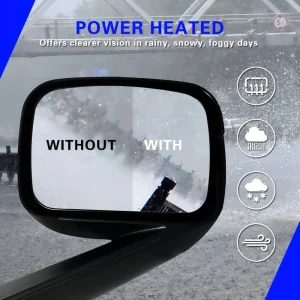
Unlike traditional mirrors, mirror cameras are not affected by weather conditions such as rain, fog, or snow. They also adjust to different lighting conditions, providing clear images even in low-light environments.
All-Weather Performance
Mirror cameras are designed to perform reliably in all weather conditions, including rain, fog, and snow. Their advanced imaging technologies ensure that drivers maintain clear visibility, regardless of external factors. This all-weather performance is a significant advantage over traditional mirrors, which can become obscured or distorted in adverse conditions.
Low-Light Adaptation
The ability of mirror cameras to adapt to low-light environments is a crucial safety feature. These cameras use advanced sensors and imaging technologies to provide clear visuals even in dimly lit areas. This low-light adaptation ensures that drivers have consistent visibility, whether driving at night or through tunnels.
Dynamic Image Adjustments
Mirror cameras are equipped with dynamic image adjustment capabilities that optimize visuals based on current lighting conditions. These adjustments ensure that drivers receive accurate and clear images, enhancing their ability to navigate safely. Mirror cameras’ adaptability to changing lighting conditions is a key factor in their effectiveness as a safety tool.

How Mirror Cameras Are Revolutionizing Truck Driving
The integration of mirror cameras into commercial trucks is a game-changer for the industry. Here’s how they are transforming the trucking experience:
Enhanced Driver Awareness
Mirror cameras provide drivers with a comprehensive view of their surroundings, increasing situational awareness. This is especially beneficial in urban areas, where traffic density and pedestrian activity are high.
Situational Awareness Boost
Mirror cameras significantly boost drivers’ situational awareness by offering a detailed visual of their environment. This enhanced awareness is crucial in urban areas, where traffic patterns are complex and unpredictable. By providing a clear and continuous visual of their surroundings, mirror cameras enable drivers to anticipate and respond to potential hazards effectively.
Urban Navigation Challenges
Navigating through urban environments presents unique challenges, such as high pedestrian activity and dense traffic. Mirror cameras equip drivers with the tools needed to address these challenges by offering real-time visual feedback. This feedback allows drivers to make informed decisions and maneuver safely through crowded streets and intersections.
Pedestrian Safety
Increased pedestrian safety is a key benefit of mirror camera systems, which provide drivers with a clear view of pedestrian crossings and sidewalks. This visibility ensures that drivers can react promptly to pedestrians entering the roadway, reducing the risk of accidents. By prioritizing pedestrian safety, mirror cameras contribute to safer urban driving experiences.
Reduced Stress and Fatigue
Driving a large commercial truck can be stressful, especially in congested areas. Mirror cameras reduce the cognitive load on drivers by providing precise and consistent visual information, leading to less stress and fatigue.
Stress Reduction Through Clarity
The clarity and consistency of visual information provided by mirror cameras help reduce driver stress. By offering a clear view of the road and surroundings, these cameras alleviate the cognitive burden associated with monitoring blind spots and potential hazards. This reduction in stress allows drivers to focus on the road and make safer driving decisions.
Fatigue Mitigation
Fatigue is a common issue among truck drivers, particularly during long hauls. Mirror cameras help mitigate fatigue by reducing the need for constant visual scanning and mirror checks. The continuous visual feedback provided by these cameras allows drivers to maintain awareness with less effort, reducing physical and mental fatigue over time.
Confidence in Complex Situations
Mirror cameras instill confidence in drivers by providing reliable and accurate visual information. This confidence is particularly valuable in complex driving situations, such as navigating through heavy traffic or adverse weather conditions. By empowering drivers with the information they need, mirror cameras contribute to a more relaxed and focused driving experience.
Lower Maintenance Costs
Traditional mirrors can be prone to damage and require regular maintenance. Mirror cameras, on the other hand, are more durable and require less upkeep, leading to cost savings for fleet operators.
Durability and Longevity
Mirror cameras are designed for durability and longevity, with robust construction that withstands the rigors of commercial trucking. Unlike traditional mirrors, which can be damaged by debris or weather conditions, mirror cameras are built to endure. This durability translates to lower maintenance requirements and reduced replacement costs.
Reduced Repair Expenses
The advanced design of mirror cameras minimizes the likelihood of damage, leading to reduced repair expenses for fleet operators. By eliminating the need for frequent mirror replacements and repairs, these cameras contribute to cost savings over the life of the truck. The reduction in repair expenses is a significant financial benefit for fleet managers seeking to optimize their budgets.
Simplified Maintenance Procedures
Mirror cameras require minimal maintenance compared to traditional mirrors, which often need cleaning and adjustment. The simplified maintenance procedures associated with mirror cameras free up time and resources for fleet operators, allowing them to focus on core business activities. This reduction in maintenance demands is a key advantage of adopting mirror camera technology.
Choosing the Right Mirror Camera System
When selecting a mirror camera system for your truck, consider the following factors:
Compatibility
Ensure that the camera system is compatible with your truck’s make and model. Some systems are designed specifically for specific brands, such as Volvo truck mirror cameras or box truck rear-view mirror systems.
Brand-Specific Solutions
Many mirror camera systems are designed with specific truck brands in mind, offering tailored solutions that ensure seamless integration. These brand-specific systems are engineered to match the unique specifications and requirements of different truck models. By choosing a system compatible with your truck brand, you can ensure optimal performance and functionality.
Universal Compatibility Options
Universal compatibility options are available for fleet operators with diverse truck models. These systems are designed to work with a wide range of truck makes and models, providing flexibility and convenience. Universal compatibility ensures that all trucks in a fleet can be equipped with mirror cameras, enhancing safety and efficiency across the board.
Custom Installation Requirements
Consider the installation requirements of the mirror camera system to ensure compatibility with your truck’s existing setup. Some systems may require custom installation or modifications to fit specific truck configurations. By assessing these requirements in advance, you can avoid potential installation challenges and ensure a smooth integration process.
Quality and Resolution
Choose a camera system with high resolution and image quality to ensure clear visibility in all conditions.
High-Definition Imaging
High-resolution camera systems provide sharp and clear visuals, enhancing the driver’s ability to monitor their surroundings. The clarity offered by high-definition imaging is essential for identifying obstacles and navigating safely. By selecting a system with superior image quality, you can ensure that drivers have access to the best possible visual data.
Low-Light Performance
The ability to maintain image quality in low-light conditions is a crucial consideration when selecting a mirror camera system. Advanced imaging technologies allow cameras to perform well in dimly lit environments, providing consistent visibility. By prioritizing low-light performance, you can ensure that drivers have reliable visuals at all times, regardless of external lighting conditions.
Image Stabilization Features
Image stabilization is an important feature that enhances the clarity of visuals by reducing motion blur. This feature is especially valuable in dynamic driving situations, where vibrations and movement can affect image quality. By choosing a camera system with image stabilization, you can ensure that drivers receive stable and clear visuals, enhancing their ability to make informed decisions.
Installation and Integration
Consider how the camera system will be installed and integrated into your truck. Some systems are designed for easy installation, while others may require professional assistance.
Ease of Installation
The ease of installation is a key factor when selecting a mirror camera system. Some systems are designed for straightforward installation, allowing fleet operators to equip their trucks without the need for professional assistance. By choosing a system with user-friendly installation procedures, you can minimize downtime and expedite the deployment process.
Professional Installation Services
Professional installation services may be required to ensure proper integration for more complex systems. Professional installers have the expertise and tools needed to fit the system seamlessly into the truck’s existing setup. By opting for professional installation, you can ensure that the camera system is correctly configured and optimized for performance.
Integration with Existing Systems
Consider how the mirror camera system will integrate with your truck’s existing technology infrastructure. Compatibility with navigation systems, sensors, and other digital tools is essential for maximizing the camera system’s benefits. By assessing integration capabilities, you can ensure that the new system complements your truck’s current setup and enhances overall functionality.
Features and Functionality
Look for additional features that enhance the camera system’s functionality, such as night vision, motion detection, and recording capabilities.
Night Vision Capabilities
Night vision capabilities are a valuable feature that enhances visibility in low-light conditions. This functionality allows drivers to maintain clear visuals during nighttime operations, ensuring safe navigation. By selecting a camera system with night vision, you can provide drivers with consistent visibility, regardless of the time of day.
Motion Detection Technology
Motion detection technology is an advanced feature that alerts drivers to potential obstacles or hazards. This feature enhances situational awareness by providing real-time notifications of movement within the camera’s field of view. By choosing a system with motion detection, you can improve safety and prevent accidents by ensuring drivers are aware of their surroundings at all times.
Recording and Playback Functions
Recording and playback functions offer valuable benefits for fleet operators, including the ability to review incidents and improve training. These functions allow for the capture and analysis of driving footage, providing insights into driver behavior and road conditions. By selecting a camera system with recording capabilities, you can enhance safety protocols and improve driver training programs.
Conclusion
Commercial truck mirror cameras are revolutionizing the trucking industry by enhancing safety, improving efficiency, and providing drivers with a clearer view of their surroundings. As technology continues to advance, these systems are becoming an essential part of modern trucking operations. By choosing the right mirror camera system, you can ensure a safer and more efficient driving experience for your fleet.
Incorporate these advanced systems into your trucks today and experience the difference they can make in your operations. Whether you’re a fleet manager looking to enhance safety or a truck driver seeking better visibility, mirror cameras are the way forward in the world of commercial trucking.
Embrace the Future of Trucking
As the trucking industry embraces digital transformation, mirror cameras represent a significant step forward in enhancing safety and operational efficiency. By adopting these advanced systems, trucking companies can position themselves at the forefront of innovation and lead the way in modern logistics. The integration of mirror cameras is not just a trend but a strategic move toward a safer and more efficient future.
Continuous Innovation and Improvement
The field of mirror camera technology is constantly evolving, with manufacturers striving to develop new features and improvements. By staying informed about the latest advancements, fleet operators can ensure they are equipped with the most effective tools for enhancing safety and efficiency. Embracing continuous innovation ensures that trucking companies remain competitive and responsive to industry demands.
A Commitment to Safety and Efficiency
The adoption of mirror cameras reflects a broader commitment to safety and efficiency within the trucking industry. By prioritizing these values, fleet operators can create a safer working environment for drivers and improve overall operational performance. The strategic implementation of mirror camera systems is a testament to the industry’s dedication to progress and excellence.
Incorporate these advanced systems into your trucks today and experience the difference they can make in your operations. Whether you’re a fleet manager looking to enhance safety or a truck driver seeking better visibility, mirror cameras are the way forward in the world of commercial trucking.

Reviews
There are no reviews yet.