
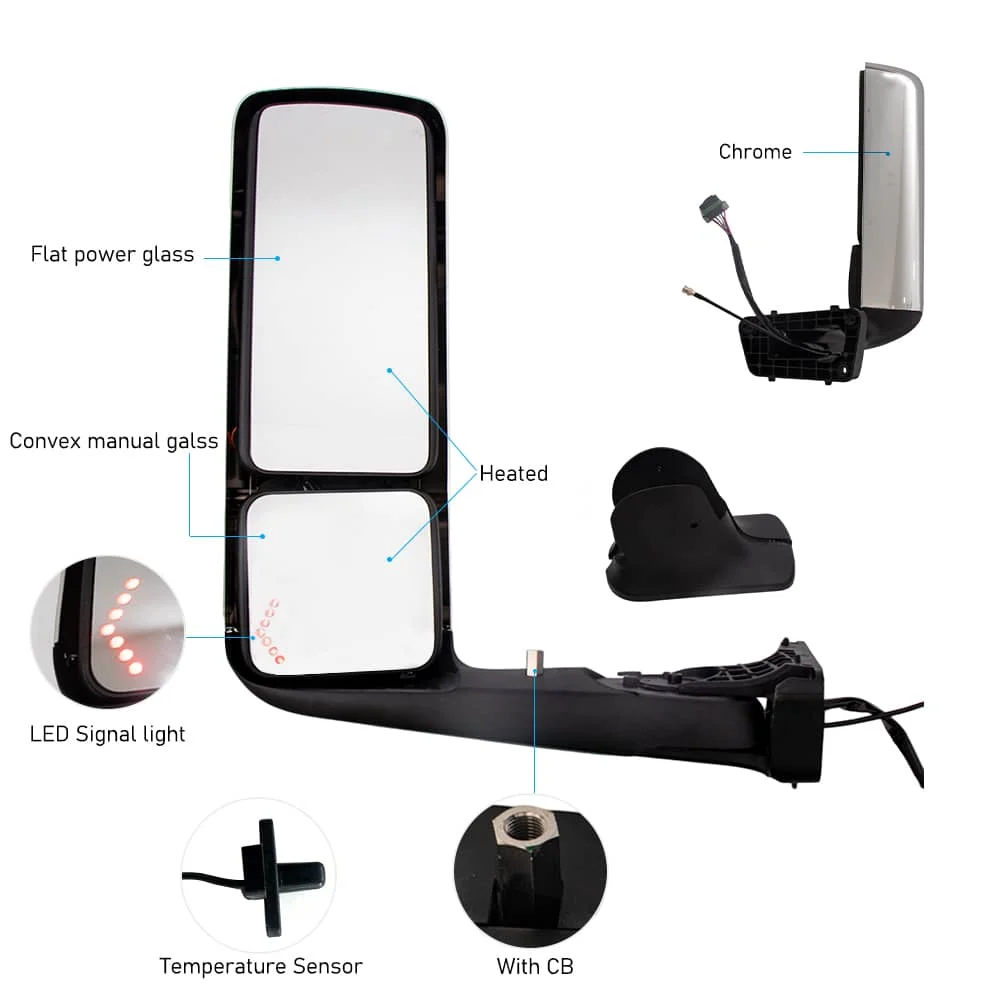
Driving a truck in cold and icy conditions can be challenging, especially when your mirrors are fogged up or covered in frost. Thankfully, heated truck mirrors are here to save the day. They ensure that your view is clear, no matter how cold it gets outside. In this guide, we will delve into the ins and outs of heated truck mirrors, including the benefits, types, and installation tips.
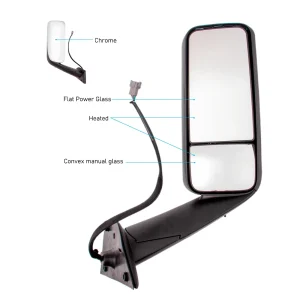
What Are Heated Truck Mirrors?
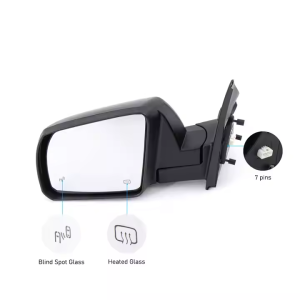
Heated truck mirrors are unique mirrors equipped with a heating element designed to keep them clear of frost, ice, and condensation. This feature is handy for truck drivers who often find themselves driving in harsh weather conditions. The heating element, when activated, warms the mirror surface, preventing any buildup that could obstruct the driver’s view.
The Technology Behind Heated Mirrors
The core of a heated truck mirror is its heating element, usually made from resistive wire. This wire is strategically embedded behind the mirror glass. When electricity passes through, it generates heat, maintaining a clear mirror surface even in the coldest conditions. Advanced models include thermostats or sensors that automatically adjust the heat output based on the external temperature, ensuring efficiency and preventing overheating.
Importance in Adverse Weather Conditions
In icy and snowy climates, visibility can be severely compromised. Heated truck mirrors offer a proactive solution by ensuring the mirrors remain clear without manual intervention. This feature is crucial not only for safety but also for maintaining the driver’s schedule, as it reduces the need for frequent stops to clean the mirrors manually. This uninterrupted visibility significantly lowers the risk of accidents caused by poor mirror visibility.
Enhancing Driver Comfort and Safety
Driving long distances in adverse weather requires constant vigilance. Heated truck mirrors contribute significantly to driver comfort by allowing them to focus on driving rather than worrying about mirror visibility. This peace of mind leads to safer driving practices, as the driver can react more swiftly to changes in traffic conditions without the distraction of impaired visibility.
Types of Heated Truck Mirrors
There are several types of heated truck mirrors available, each catering to different needs and preferences.
Truck Heated Mirror Kits
These kits usually include everything you need to upgrade your existing mirrors to heated versions. They are ideal for those who want to add the heated feature without replacing their entire mirror assembly.
Components of a Typical Kit
A standard heated mirror kit includes a heating element, a wiring harness, and installation instructions. Some kits may also feature a switch to control the heating element manually. These components are designed to be compatible with most mirror types, offering a versatile solution for various truck models.
Installation Ease and User-Friendliness
One of the significant advantages of mirror kits is their user-friendly installation process. Most kits come with detailed guides, making it possible for even those with minimal mechanical knowledge to install them. This DIY-friendly approach reduces the need for professional installation, saving both time and money.
Cost-Effectiveness and Versatility
Heated mirror kits are often more cost-effective than purchasing new heated mirrors. They also offer versatility, allowing truck owners to retain their existing mirrors while enhancing their functionality. This makes them an attractive option for budget-conscious drivers seeking improved safety features.
Motorized Heated Truck Mirrors
Motorized heated truck mirrors not only defrost themselves but can also be adjusted electronically. This adds another layer of convenience, allowing you to adjust the mirror angle without leaving your seat.
Integration of Heating and Motorization
These mirrors combine two key technologies: heating and motorization. The motorized feature enables precise adjustments of the mirror’s angle from inside the cabin, enhancing visibility for different driving conditions and reducing blind spots. This integration maximizes the mirror’s functionality, offering a comprehensive solution for modern truck drivers.
Benefits of Remote Adjustability
Remote adjustability is particularly beneficial for long-haul drivers who encounter varying road conditions. The ability to adjust mirrors on the fly without stopping provides continuous optimal visibility, improving safety. Moreover, it enhances driver comfort by reducing the physical strain of manual adjustments, especially in large trucks.
Considerations for Installation and Maintenance
Installing motorized heated mirrors may require professional assistance due to their complexity. It’s essential to ensure compatibility with the truck’s electrical system to avoid potential issues. Regular maintenance checks are also recommended to ensure both the heating element and motor function correctly, preventing any operational disruptions.
Truck Mirror Heater Element
For those who are handy, you can purchase just the heater element. This component can be installed in your existing mirrors, transforming them into heated versions. It’s a cost-effective way to enjoy the benefits of heated mirrors without a complete overhaul.
DIY Installation Process
Installing a heater element is a straightforward process for those comfortable with essential vehicle maintenance. It involves removing the mirror glass, attaching the heating element, and reconnecting the electrical wiring. This DIY approach not only saves money but also allows for customization based on the driver’s specific needs.
Advantages and Limitations
The primary advantage of installing a heater element is its affordability. However, it may not offer the same level of convenience as fully integrated heated mirrors. Drivers should weigh their need for cost savings against the potential benefits of more advanced systems.
Choosing the Right Heater Element
When selecting a heater element, consider factors like wattage, size, and compatibility with existing mirror systems. Higher wattage elements may provide faster defrosting but could also draw more power from the truck’s electrical system. Ensuring the element fits your mirror’s dimensions is crucial for effective installation.
Truck-Lite West Coast Mirror
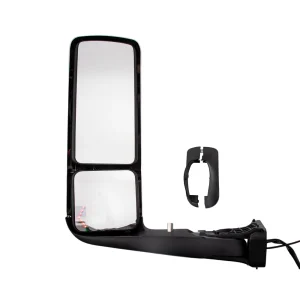
This type of mirror is popular among truck drivers for its durability and effectiveness. The West Coast style offers a broader field of view, which is crucial for large vehicles. Heated versions ensure that this broad view remains unobstructed in lousy weather.
Features of West Coast Mirrors
West Coast mirrors are known for their robust construction and expansive viewing angles. Heated versions incorporate the same durable design while adding the benefit of frost-free visibility. This combination makes them a preferred choice for professional drivers who prioritize reliability and performance.
Benefits for Large Vehicles
The broader field of view provided by West Coast mirrors is particularly beneficial for large trucks that require comprehensive rear and side visibility. Heated features ensure that this view is consistently clear, enhancing safety during lane changes, merging, and parking maneuvers.
Evaluating Durability and Performance
When selecting a West Coast heated mirror, consider factors such as material quality, ease of installation, and resistance to harsh weather conditions. A well-constructed mirror will withstand the rigors of daily use and provide consistent performance over time, making it a worthwhile investment for any truck driver.
How to Choose the Right Heated Truck Mirror
Selecting the right heated truck mirror can be daunting, given the variety of options. Here are some factors to consider:
Compatibility
Ensure that the mirror or kit you choose is compatible with your truck model. Look for options specifically designed for your truck class, such as the motorized glass replacement mirror for Class 8 trucks.
Verifying Model-Specific Features
Compatibility goes beyond essential fit; it involves ensuring that the mirror’s features align with your truck’s specifications. This includes checking the electrical connections, mounting brackets, and any additional features like motorized adjustments. Researching model-specific recommendations can prevent installation headaches.
Manufacturer Support and Warranty
Choose mirrors from reputable manufacturers who offer comprehensive support and warranties. This can be crucial if you encounter issues during installation or operation. A solid warranty provides peace of mind and protects your investment against potential defects.
Avoiding Common Compatibility Pitfalls
Common compatibility issues arise from mismatched wiring or incompatible mounting systems. Consulting with a professional or thoroughly reviewing installation guides can help identify potential challenges before purchasing, ensuring a smoother installation process.
Size
Consider the size of the mirror. Popular sizes include 16×7 and 7×16 truck mirrors. Make sure the mirror fits your vehicle’s mounting points and provides adequate visibility.
Measuring for the Right Fit
Accurate measurements are key to selecting the right mirror size. Measure both the existing mirror and the mounting area to ensure compatibility. This prevents issues with fitment and ensures the mirror provides optimal coverage for your driving needs.
Impact of Size on Visibility
Larger mirrors generally offer better visibility, reducing blind spots and enhancing safety. However, they may also increase wind resistance and affect fuel efficiency. Balancing visibility needs with aerodynamic considerations is essential when choosing the right size.
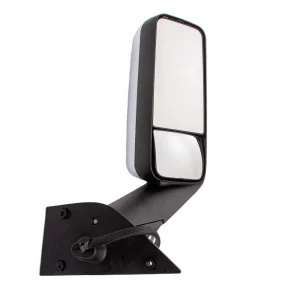
Customization Options
Some manufacturers offer customizable mirror sizes or shapes to suit specific vehicle types better. This allows for a tailored approach that maximizes both visibility and aesthetic appeal. Exploring these options can lead to a more satisfactory mirror solution.
Features
Decide on the features you need. Do you want motorized adjustments? Is a simple heating element sufficient? Make a list of must-haves before you start shopping.
Prioritizing Essential Features
Create a prioritized list of features that are essential for your driving conditions. This could include motorization, anti-fog capabilities, or integrated turn signals. Knowing which features are non-negotiable helps narrow down your choices and find the ideal mirror.
Balancing Cost and Functionality
While advanced features can enhance driving convenience, they often come at a higher cost. Evaluate whether the benefits of these features justify their price, considering factors like driving frequency, typical weather conditions, and budget constraints.
Future-Proofing Your Purchase
Consider future needs when selecting mirror features. If you plan to upgrade or modify your truck in the future, choose mirrors that can accommodate these changes. This foresight can prevent the need for additional purchases and ensure long-term satisfaction with your mirrors.
Installing Heated Truck Mirrors
Installation can vary based on the type of mirror and your vehicle. Here are some general steps:
Gather Your Tools
Before starting, make sure you have all the necessary tools and parts. This might include screwdrivers, a wiring kit, and the mirror itself.
Tools for a Smooth Installation
Having the right tools on hand is crucial for a successful installation. Standard tools include screwdrivers, pliers, wire cutters, and a multimeter for electrical testing. Preparing these tools in advance can streamline the installation process and reduce the risk of errors.
Understanding the Wiring Kit
The wiring kit is a critical component of the installation. Please familiarize yourself with its components, including connectors, fuses, and switches. Understanding the wiring diagram is essential for correctly connecting the mirror to your truck’s electrical system.
Creating a Safe Workspace
Ensure your workspace is well-lit and free of hazards. Park the truck on a flat surface and engage the parking brake. This minimizes the risk of accidents during installation and provides a stable environment for working on your mirrors.
Remove the Old Mirror
Carefully remove your existing mirror. This usually involves unscrewing the mounting bracket and disconnecting any wiring.
Step-by-Step Removal Guide
Begin by disconnecting any electrical connections to the existing mirror. Use the appropriate screwdriver to loosen and remove the mounting screws. Carefully detach the mirror from the bracket, ensuring you don’t damage the mounting surface or wiring in the process.
Handling Wiring Connections
When disconnecting wiring, label each connection to simplify reinstallation. Use caution to avoid damaging the wires or connectors, as this can complicate the installation of the new mirror. Proper handling of the wiring ensures a seamless transition to the heated mirror.
Dealing with Stubborn Mirrors
In some cases, mirrors may be challenging to remove due to corrosion or tight fittings. Apply a rust-penetrating spray to loosen stubborn screws and brackets. If necessary, gently tap the mirror with a rubber mallet to dislodge it without causing damage.
Install the New Mirror
Mount the new mirror using the provided hardware. If you’re installing a heating element, follow the instructions to connect it to your vehicle’s electrical system.
Aligning and Securing the Mirror
Position the new mirror in place and secure it using the provided screws and brackets. Ensure the mirror is aligned correctly to provide optimal visibility. Tighten the screws evenly to prevent any wobbling or misalignment during use.
Connecting the Electrical System
Follow the wiring instructions carefully to integrate the heating element with your truck’s electrical system. Use connectors and insulation tape to ensure secure and safe connections. Testing the electrical system before finalizing the installation can prevent issues later on.
Final Adjustments and Checks
Once installed, make final adjustments to the mirror’s angle and position. Check that all screws and connections are tight and secure. Testing the heating function and any motorized adjustments ensures the mirror is fully operational before hitting the road.
Test the Mirror
Once installed, test the mirror to ensure it’s working correctly. Check both the heating function and any motorized adjustments.
Verifying the Heating Element
Activate the heating element and monitor its performance over a few minutes. Check for even heat distribution across the mirror surface. If the mirror heats unevenly or not at all, revisit the wiring connections to ensure proper installation.
Testing Motorized Features
If your mirror includes motorized adjustments, test these features by adjusting the mirror from the driver’s seat. Ensure the motor responds smoothly and the mirror moves to the desired position without any issues. Any resistance or noise may indicate a need for further adjustment or maintenance.
Conducting a Road Test
Take your truck for a short drive to test the mirror’s performance in real-world conditions. Monitor the mirror’s stability and clarity, especially in varying weather conditions. This practical test ensures your mirror is ready for long-term use and provides peace of mind on the road.
Maintenance Tips for Heated Truck Mirrors
Keeping your heated truck mirrors in top condition will extend their lifespan and ensure they function correctly.
Regular Cleaning
Clean the mirrors regularly to prevent dirt and grime from affecting their performance. Use a mild cleaner and a soft cloth to avoid scratching the surface.
Effective Cleaning Techniques
Use a gentle, non-abrasive cleaner and a soft microfiber cloth to clean the mirrors. Avoid harsh chemicals that can damage the mirror’s surface or the heating element. Regular cleaning prevents the buildup of dirt and grime, maintaining clear visibility and efficient heating performance.
Seasonal Cleaning Considerations
During winter months, consider cleaning the mirrors more frequently to remove salt and road debris. These substances can corrode the mirror surface and affect visibility. A regular cleaning routine tailored to seasonal conditions ensures optimal mirror performance year-round.
Preventing Scratches and Damage
Handle the mirrors with care during cleaning to avoid scratches or damage. Avoid using rough cloths or paper towels, which can leave behind fibers or cause micro-scratches. Proper cleaning techniques preserve the mirror’s clarity and enhance its lifespan.
Check wiring
Periodically check the wiring and connections to ensure everything is secure and in working order. Loose connections can lead to malfunctions.
Inspecting Wiring Regularly
Conduct routine inspections of the wiring to identify any signs of wear or damage. Look for frayed wires, loose connections, or corrosion, which can impair functionality. Regular checks help catch potential issues early, preventing costly repairs or replacements.
Securing Loose Connections
If you identify any loose wiring, use electrical tape or connectors to secure them. Ensure all connections are tight and insulated to prevent short circuits. Regularly securing connections minimizes the risk of electrical faults and maintains optimal mirror performance.
Troubleshooting Common Electrical Issues
If you encounter electrical issues, use a multimeter to test the continuity and voltage of the wiring. This can help identify faulty connections or components. Troubleshooting with the right tools and knowledge ensures your mirrors remain functional and reliable.
Monitor Performance
If you notice the mirrors aren’t clearing as quickly as they should, it might be time to inspect the heating element or consult a professional for repairs.
Recognizing Performance Declines
Pay attention to any changes in the mirror’s heating efficiency or clarity. Slow defrosting or uneven heating can indicate a problem with the heating element. Early recognition of performance issues allows for timely intervention and repair.
DIY Inspection and Repairs
For minor issues, consider inspecting the heating element and wiring yourself. Check for visible damage or disconnections and attempt basic repairs if possible. DIY repairs can often resolve simple issues, saving time and money.
Seeking Professional Assistance
If you cannot resolve the issue through DIY methods, seek professional assistance. A qualified technician can diagnose and repair more complex problems, ensuring your mirrors function optimally. Professional servicing is crucial for advanced or integrated mirror systems.
Conclusion
Heated truck mirrors are an invaluable addition to any truck, providing safety and convenience in cold weather conditions. Whether you opt for a complete mirror assembly, a heated kit, or just the heater element, these mirrors are a worthwhile investment for anyone who spends significant time on the road. With the right choice and proper maintenance, your heated truck mirrors will serve you well for many miles to come.
Making an Informed Decision
Choosing the right heated truck mirrors involves considering various factors, including compatibility, size, and features. By understanding your specific needs and preferences, you can make an informed decision that enhances your driving experience. A well-chosen mirror not only improves safety but also contributes to overall driving comfort.
Emphasizing the Importance of Maintenance
Proper maintenance is crucial for the longevity and effectiveness of heated truck mirrors. Regular cleaning, wiring checks, and performance monitoring ensure that your mirrors remain in top condition. By investing in routine upkeep, you can enjoy the full benefits of heated mirrors and maximize their lifespan.
Encouraging a Commitment to Safety
Ultimately, heated truck mirrors are about enhancing safety on the road. By maintaining clear visibility in adverse weather conditions, they reduce the risk of accidents and improve the overall driving experience. Embracing this technology reflects a commitment to safety, both for yourself and others on the road, making it an essential component of modern trucking.

Reviews
There are no reviews yet.