
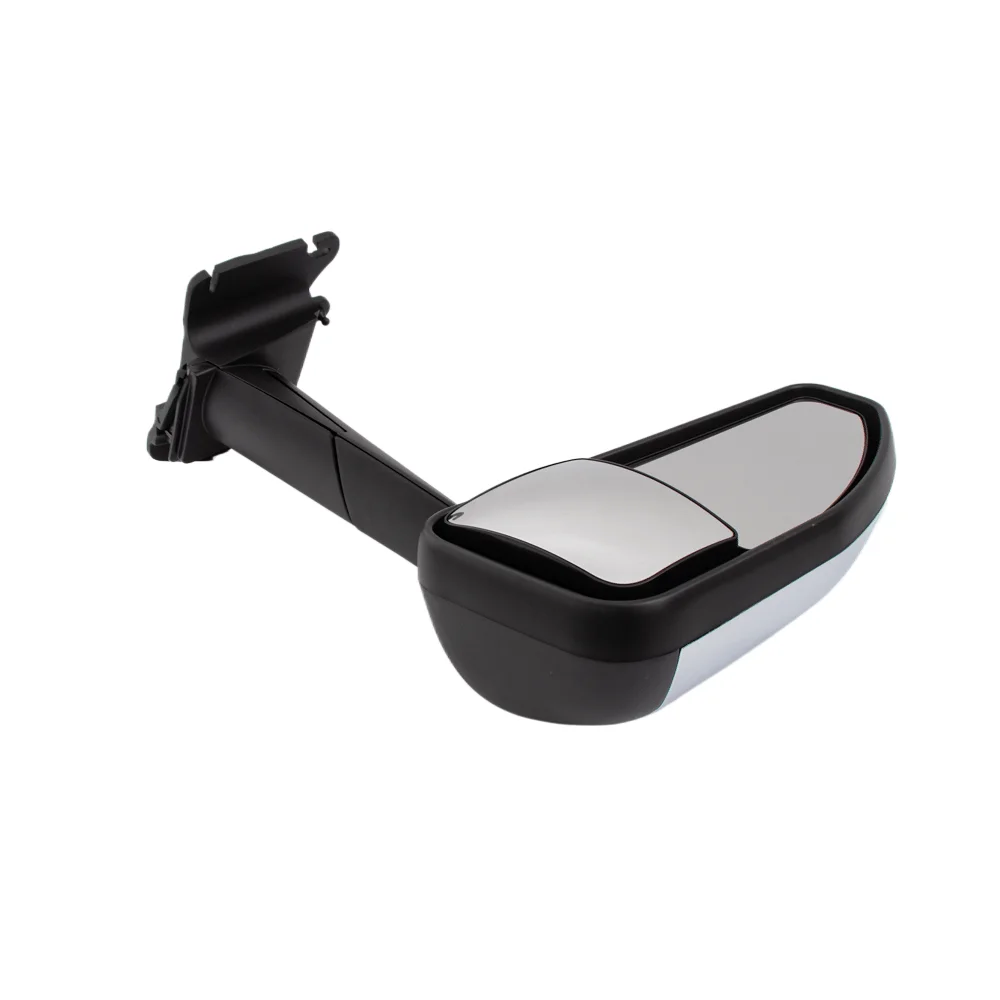
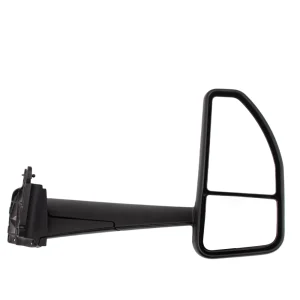
Owning a 2000 Ford truck, whether it’s an F250 or F350, means you value reliability and performance. However, even the most durable vehicles need occasional updates or replacements, especially when it comes to components like mirrors. In this article, we’ll explore everything you need to know about the 2000 Ford truck late model mirror, focusing on the OEM driver and passenger door tow mirrors.
Understanding the Importance of OEM Mirrors
Mirrors are more than just a functional accessory on your vehicle. They are a critical component for safety and visibility. Choosing the right mirrors can significantly enhance your driving experience, especially when dealing with large vehicles like the Ford F250 and F350.
What Are OEM Mirrors?
OEM stands for Original Equipment Manufacturer. When you opt for OEM mirrors for your Ford truck, you’re choosing parts made by the manufacturer specifically for your vehicle model. These mirrors are designed to fit perfectly and function just as the original parts did.
OEM mirrors are crafted with precision, ensuring that every curve and angle is optimized for your truck. They are produced under strict quality control standards, guaranteeing that they meet the original specifications of your vehicle. This attention to detail not only ensures a perfect fit but also maintains the aesthetic integrity of your truck.
Moreover, OEM mirrors are often made from higher-quality materials compared to aftermarket alternatives. This durability means they can withstand the test of time and various weather conditions, providing lasting performance and reliability.
Why Choose OEM Mirrors?
Choosing OEM mirrors for your Ford truck comes with several benefits that enhance both the functionality and longevity of your vehicle.
- Perfect Fit: OEM mirrors are tailored to your Ford truck model, ensuring an exact fit without the need for modifications. This precise fit means there’s no gap or misalignment, which can cause wind noise or reduce aerodynamic efficiency.
- Quality Assurance: They undergo rigorous testing for quality and durability, matching the standards set by Ford. This testing ensures that the mirrors can withstand harsh weather conditions and daily wear and tear, providing dependable performance throughout their lifespan.
- Warranty: Often, OEM parts come with a warranty, giving you peace of mind for a certain period post-purchase. This warranty coverage acts as a safety net, allowing you to replace or repair the mirrors should any defects arise, ensuring your investment is protected.
The Benefits of OEM Mirrors Over Aftermarket Options
While aftermarket mirrors may be cheaper, OEM mirrors offer a level of quality and assurance that is hard to match.
- Consistency in Design: OEM mirrors maintain the original design language of your truck, keeping its aesthetic appeal intact. They seamlessly integrate with the existing lines and features of your vehicle, avoiding any mismatch in appearance.
- Advanced Features: Many OEM mirrors come equipped with advanced features that may not be available in aftermarket options, such as integrated heating elements and turn signals. These features enhance safety and convenience, particularly in adverse weather conditions.
- Resale Value: Maintaining OEM parts in your vehicle can positively impact its resale value. Prospective buyers often prefer vehicles with original parts, as it indicates careful maintenance and reliability.
Different Types of Ford Truck Mirrors
When it comes to Ford truck mirrors, understanding the different types available can help you make an informed decision that suits your driving needs.
Standard Mirrors vs. Tow Mirrors
Ford trucks come with different mirror options, each serving a specific purpose to enhance driving safety and convenience.
- Standard Mirrors: These are the default mirrors found on most vehicles, providing basic rear and side visibility. Standard mirrors are compact and sufficient for everyday driving, offering a clear view of adjacent lanes and rear traffic.
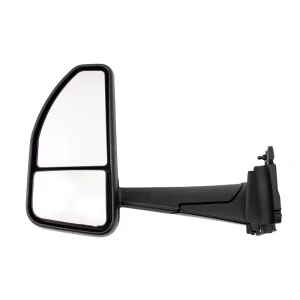
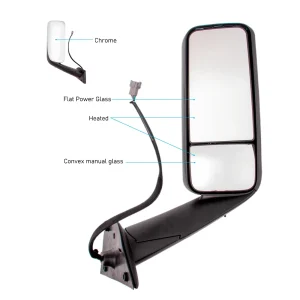
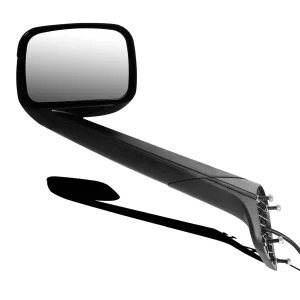
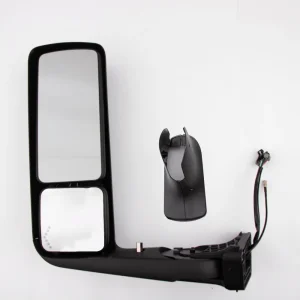
- Tow Mirrors: Designed for towing, these mirrors offer extended visibility, which is crucial when hauling trailers or other large loads. They are larger and can be adjusted to see past the load. Tow mirrors are essential for safe towing, ensuring you can monitor your surroundings effectively.
Features of Ford F250 and F350 Tow Mirrors
The Ford F250 and F350 models are renowned for their towing capabilities, and their tow mirrors are designed to complement this strength.
- Extendable Design: Tow mirrors can be extended outward, providing a better view of what’s behind the trailer. This feature is particularly useful when navigating narrow roads or making wide turns, as it helps minimize blind spots.
- Heated Glass: Some models come with heated glass to prevent fogging and icing in cold weather. Heated mirrors are a lifesaver in frosty conditions, ensuring your visibility remains clear and unhindered.
- Integrated Turn Signals: Many tow mirrors have built-in turn signals, enhancing safety by improving visibility to other drivers. This feature alerts other road users to your intentions, reducing the risk of accidents during lane changes or turns.
Choosing the Right Mirror Type for Your Needs
Selecting the right mirror type depends on your typical driving conditions and needs.
- Everyday Commuting: If your driving is mostly within urban areas with minimal towing, standard mirrors may suffice, offering adequate visibility for city driving.
- Frequent Towing: For those who often tow trailers or heavy loads, tow mirrors are a necessity, providing enhanced visibility and safety.
- Consider Your Environment: Think about the climate and road conditions you frequently encounter. Heated mirrors are advantageous in colder regions where fogging and icing are common issues.
Installation Process of a Ford Truck Mirror
Replacing or upgrading your Ford truck mirrors can be a straightforward task if you follow the right steps. Proper installation ensures that your mirrors function correctly and safely.
Tools Required
Before starting the installation, gather the necessary tools to ensure a smooth and efficient process.
- Screwdriver Set: A set of screwdrivers with various head types will be essential for removing and securing mirror components.
- Socket Wrench: A socket wrench allows for easy removal and installation of bolts, providing the torque needed for a secure fit.
- Trim Removal Tool: This tool helps in safely removing interior panels without causing damage or scratches.
- Towel or Cloth: Having a soft towel or cloth on hand can prevent scratches to your truck’s finish during the installation process.
Step-by-Step Guide
Installing a new mirror can be done with a few simple steps. Taking your time during each step ensures a successful installation without damaging your vehicle.
- Remove the Interior Door Panel: Use a trim removal tool to carefully detach the interior door panel, revealing the mirror mounting bolts. Be gentle to avoid damaging the panel clips or paintwork.
- Detach the Existing Mirror: Unscrew the bolts securing the old mirror using a socket wrench. Disconnect any wiring if your mirrors are powered or heated. Take note of the wiring arrangement to ensure correct reconnection later.
- Install the New Mirror: Position the new OEM mirror in place and secure it with bolts. Reconnect any electrical wiring. Double-check the alignment and ensure all bolts are tightened to prevent vibration.
- Reattach the Door Panel: Align the door panel back into position and press it firmly until it clicks into place. Ensure that all clips and fasteners are secured to avoid rattling noises while driving.
- Test the Mirror: Ensure that the mirror is securely attached and test all functions, such as adjusting capabilities and heating elements. Verify that the mirror provides clear visibility and that all electrical features operate correctly.
Additional Tips for a Smooth Installation
To ensure a hassle-free installation, consider these additional tips.
- Work in a Well-Lit Area: Adequate lighting is crucial to see all components clearly, reducing the risk of errors during installation.
- Keep Track of Screws and Bolts: Organize screws and bolts as you remove them to make reassembly easier. Consider using labeled containers or a magnetic tray.
- Take Photos: If you’re unsure about the wiring connections, take photos before disassembly. These images can serve as a reference during reinstallation.
Maintenance Tips for Your Ford Truck Mirrors
Proper maintenance of your truck mirrors extends their lifespan and ensures they function optimally. Regular upkeep can prevent common issues and maintain the quality of your mirrors.
Regular Cleaning
Keeping your mirrors clean is essential for maintaining clear visibility and preventing long-term damage.
- Choose the Right Cleaner: Use a glass cleaner specifically designed for automotive use. Avoid household cleaners that may contain harsh chemicals damaging to mirror surfaces.
- Soft Cloth: Always use a soft, lint-free cloth to wipe away dirt and grime. Microfiber cloths are ideal as they leave no residue or scratches.
- Routine Cleaning: Make mirror cleaning part of your regular vehicle maintenance routine. Regularly removing dirt and debris prevents buildup that can impair visibility.
Check for Loose Parts
Loose mirrors can cause vibrations and reduce visibility, making it important to regularly inspect and tighten any components.
- Periodic Inspection: Make it a habit to check your mirrors for any signs of looseness or vibration. Tightening screws and bolts as needed ensures the mirror remains stable.
- Listen for Unusual Noises: If you hear rattling or unusual noises while driving, it may indicate a loose mirror. Addressing the issue promptly prevents further damage.
- Include in Regular Maintenance: Incorporate mirror inspections into your routine vehicle checks, especially after long trips or driving on rough terrain.
Electrical Check
For powered mirrors, ensuring that all electrical components are functioning correctly is crucial.
- Test Mirror Functions: Periodically test all mirror functions, including heating, adjustment, and turn signals. Regular testing helps identify issues early, allowing for timely repairs.
- Inspect Wiring Connections: Check the wiring connections for any signs of wear or damage. Exposed wires or corroded connectors can lead to malfunctioning mirrors.
- Professional Assistance: If you encounter electrical issues that you cannot resolve, consult with a professional mechanic. They can diagnose and fix electrical problems, ensuring your mirrors work reliably.
Common Issues and Troubleshooting
Even with regular maintenance, issues can occasionally arise with your truck mirrors. Knowing how to troubleshoot these problems can save time and frustration.
Mirror Vibration
Excessive mirror vibration can hinder visibility and become a safety concern.
- Check Tightness: Ensure that all bolts and screws are securely fastened. Loose components are often the primary cause of vibration.
- Verify Fit: An improper fit can also lead to vibrations. Confirm that the mirror is correctly aligned and securely attached to the door.
- Inspect the Door Panel: Sometimes, the door panel itself may be loose, contributing to mirror vibration. Check the panel for secure attachment and tighten as needed.
Foggy or Icy Mirrors
Mirrors that fog or ice over can be a hazard, especially in cold climates.
- Test Heating Elements: If your mirrors are heated, ensure that the heating elements are functioning. A failed heating element can prevent the mirror from clearing fog or ice.
- Check Electrical Connections: Inspect the wiring for any loose or damaged connections that may affect the heating functionality.
- Consider Aftermarket Heating Kits: If your mirrors do not have built-in heating, aftermarket heating kits can be installed to mitigate fogging and icing issues.
Adjustment Problems
Proper mirror adjustment is crucial for optimal visibility. If you experience adjustment problems, consider these steps.
- Inspect Power Connections: For power-adjustable mirrors, check the electrical connections for any signs of damage or disconnection.
- Check for Obstructions: Physical obstructions within the mirror mechanism can impede movement. Ensure that nothing is blocking the adjustment path.
- Manual Adjustment: If power adjustment fails, try manually adjusting the mirror to assess if the issue is electrical or mechanical.
Conclusion
The 2000 Ford truck late model mirror, particularly the OEM driver and passenger door tow mirrors, are essential for safe and efficient driving. Whether you’re replacing a damaged mirror or upgrading for better towing visibility, understanding the types, installation process, and maintenance tips will ensure your Ford truck remains in top condition.
Investing in quality OEM mirrors not only enhances your vehicle’s functionality but also maintains its value. With the right care and attention, your mirrors will serve you well for many years to come. By choosing OEM mirrors and following proper installation and maintenance procedures, you ensure that your driving experience is safe, comfortable, and efficient, reflecting the reliability you expect from your Ford truck.

Reviews
There are no reviews yet.