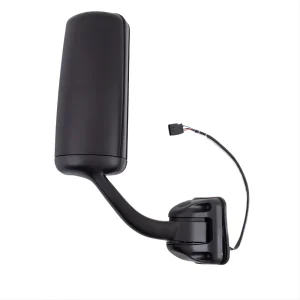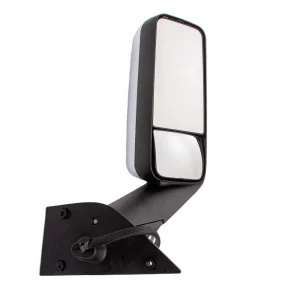
The cost of replacing a passenger side rear-view mirror can vary widely depending on several factors, including the make and model of the vehicle, the type of mirror, and whether you opt for an OEM (Original Equipment Manufacturer), aftermarket, or refurbished part. Additionally, labor costs for installation can significantly affect the total price. This comprehensive guide will break down the various costs associated with purchasing and installing a passenger side rear-view mirror, providing insights into the factors that influence pricing and tips for saving money.

Factors Influencing Cost
1. Vehicle Make and Model: The make and model of your vehicle can dramatically affect the cost of a replacement mirror. Luxury and exotic vehicles often require more expensive parts due to proprietary designs and materials. For example, replacing a mirror on a Mercedes-Benz could cost significantly more than on a Ford Focus.
2. Type of Mirror: There are different types of rear-view mirrors, each with varying costs:
Manual Mirrors: These are the simplest and cheapest option, typically costing between $50 and $200.
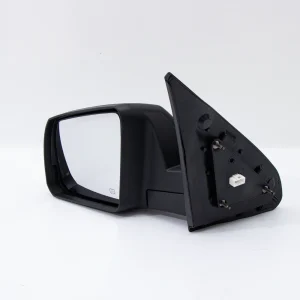
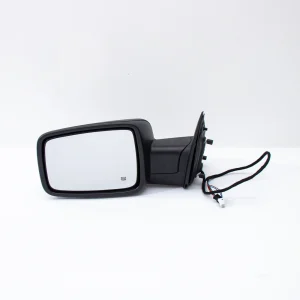
Electrically Adjustable Mirrors: These mirrors, which can be adjusted via buttons inside the vehicle, can cost between $200 and $500.
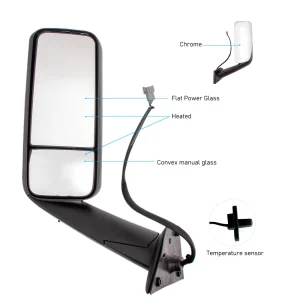
Heated Mirrors: Including heating elements to prevent fogging and ice buildup, these mirrors can cost between $200 and $600.
Mirrors with Integrated Turn Signals: These mirrors, which have built-in LED turn signals, can range from $300 to $700 or more.
Power-Folding Mirrors: Found on many luxury vehicles, these mirrors can cost upwards of $1,000 due to their complexity.
3. Part Quality: Choosing between OEM, aftermarket, and refurbished parts can also affect cost. OEM parts are made by the original manufacturer and are guaranteed to fit perfectly, but they tend to be the most expensive. Aftermarket parts are made by third parties and can be less expensive, but their quality can vary. Refurbished parts are used parts that have been restored to working order, which can be a cost-effective option if you find a reliable supplier.
4. Labor Costs: The cost of labor for installation can range from $50 to $200 or more, depending on the complexity of the job and the hourly rate of the mechanic. Some simple mirror replacements can be a DIY project, potentially saving on labor costs.
Average Costs
Here are approximate costs for a passenger side rear-view mirror replacement:
For a Basic Economy Car: Replacing a manual mirror could cost around $100 for the part and $50 for labor, totaling approximately $150.
For a Mid-Range Sedan with Electric Mirrors: An electrically adjustable mirror could cost around $300 for the part plus $100 for labor, totaling approximately $400.
For a Luxury SUV with Heated and Power-Folding Mirrors: A replacement could cost upwards of $800 for the part and $200 for labor, totaling approximately $1,000 or more.
Saving Money on Replacement
1. Shop Around: Compare prices from different sources, including online retailers, local auto parts stores, and dealerships.
2. Consider Aftermarket Parts: Aftermarket parts can be a more affordable option, especially if you are on a budget. Just ensure they meet the quality standards and fit your vehicle properly.
3. DIY Installation: If you are handy with cars, installing the mirror yourself can save on labor costs. However, ensure you have the right tools and knowledge to avoid damaging the mirror or your vehicle.
4. Refurbished Parts: Buying a refurbished mirror can be a cost-effective solution, but make sure the supplier offers a warranty and has positive reviews.
Replacing a passenger side rear-view mirror can range from a relatively inexpensive task to a significant expense, depending on the factors discussed. Understanding these factors can help you make informed decisions about your vehicle maintenance and potentially save money. Whether you choose to replace the mirror with an OEM part, an aftermarket alternative, or a refurbished unit, always prioritize quality and compatibility to ensure safety and functionality. Additionally, considering DIY installation or shopping around for the best deals can help keep costs down without compromising on quality.