Ensuring your truck mirrors are correctly adjusted and securely fastened is crucial for safe driving. A loose mirror can lead to reduced visibility, making it difficult to see other vehicles or obstacles. In this guide, we’ll walk you through the steps to tighten a truck mirror, focusing on various types of trucks and mirrors, including U-Haul and semi-trucks. Whether you’re dealing with a Ryder truck’s mirror height or a U-Haul’s side mirror, you’ll find the information you need here.

Understanding the Importance of Proper Truck Mirror Adjustment
Proper mirror adjustment is essential for maintaining a clear view of the road and ensuring the safety of your truck and its surroundings. A correctly positioned mirror minimizes blind spots, which is vital for maneuvering large vehicles like trucks. Let’s explore how to adjust and tighten different types of truck mirrors.
Safety Implications of Mirror Adjustment
Adequately adjusted mirrors are critical for ensuring that you have a complete field of vision around your truck. This is particularly important in heavy traffic and when navigating tight spaces. Mirrors that are not correctly aligned can create dangerous blind spots, leading to accidents.
Economic Benefits
Maintaining correctly adjusted mirrors can also help reduce the risk of collisions, which can save on costly repairs and insurance claims. Proper mirror alignment can also improve fuel efficiency by reducing drag if the mirrors are appropriately streamlined.
Psychological Comfort
Driving with well-adjusted mirrors reduces stress, as drivers feel more in control and aware of their surroundings. This psychological comfort is an essential aspect of safe and efficient driving, contributing to a more relaxed and focused driving experience.
Types of Truck Mirrors
Truck mirrors come in various types, each serving a specific purpose to enhance visibility and safety. Here’s a deeper dive into the types of mirrors you might find on trucks.
Side Mirrors
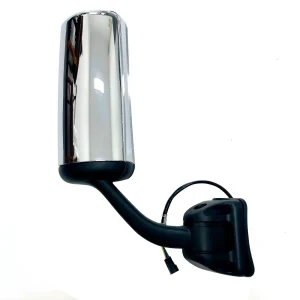
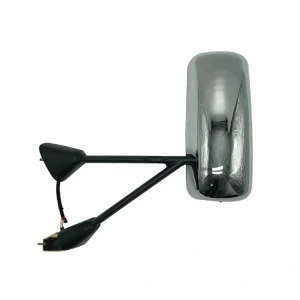
Side mirrors are the most common and crucial mirrors for any truck. Positioned on the driver’s and passenger’s sides, they offer a clear view of the traffic lanes adjacent to the car. Proper alignment of side mirrors helps in lane changes and merging with other traffic.
Rearview Mirrors
While rearview mirrors in trucks differ from those in smaller vehicles, they still play a vital role. These mirrors provide a direct line of sight to what is directly behind the car. Their placement inside the cab means they must be adjusted to account for any cargo blocking the view.
Convex Mirrors
Convex mirrors are smaller but incredibly useful. Their curved surface allows for a wider field of view, helping to reduce blind spots significantly. They are usually mounted below the side mirrors and are crucial for seeing vehicles or obstacles that are not visible in the side mirrors alone.
Fender Mirrors
Fender mirrors are mounted on the truck’s fender. They are often used in larger vehicles to give the driver a view of the front corners. This is especially useful for maneuvering in tight spaces or heavy traffic, where precision is crucial.
How to Tighten a Loose Truck Mirror
If your truck mirror is shaking or loose, follow these steps to tighten it:
Tools You Might Need
To successfully tighten your truck mirrors, having the right tools is essential. Here’s a list of tools that might come in handy:
- Screwdriver: Depending on the screws used, a flathead or Phillips screwdriver is necessary for tightening.
- Wrench Set: A set of wrenches is helpful in dealing with various bolt sizes.
- Allen Keys: Some mirrors might use hex screws, requiring Allen keys for adjustments.
- Torque Wrench: For precise adjustments to prevent over-tightening and potential damage.
Steps to Tighten a Truck Mirror
- Identify the Loose Parts: Begin by examining the mirror to locate any loose parts. Pay attention to the mounting bracket, swivel ball, and adjustment screws, as these areas are often where issues arise.
- Access the Mounting Bracket: Depending on your truck model, you might need to open the door or even remove the door panel to reach the mounting area. This step is crucial for ensuring you can tighten the mirror securely.
- Tighten the Screws: Use your screwdriver or Allen key to fasten any loose screws securely. Ensure each screw is tightened evenly to prevent the mirror from becoming misaligned.
- Adjust the Swivel Ball: If the mirror is unstable at the swivel point, tighten the corresponding nut or bolt with a wrench. This should stabilize the mirror and prevent unwanted movement.
- Check the Mirror’s Stability: After tightening, test the mirror’s stability by gently moving it. If it still feels loose, further adjustments may be necessary to ensure it remains secure.
- Test Drive: Finally, take your truck for a short drive. Observe the mirror’s stability at various speeds to confirm that it remains securely in place.
Common Issues and Solutions
- Mirror Vibration: Vibration can often be traced back to a loose mounting bracket or worn-out components. Tightening the bracket or replacing worn parts can resolve this issue.
- Mirror Misalignment: Regular checks are necessary to maintain proper mirror alignment. Misalignment can occur over time due to vibrations and should be corrected promptly.
- Worn-Out Parts: If tightening does not resolve the problem, inspect the mirror assembly for worn or damaged parts, such as the swivel ball or mounting bracket, and replace them as needed.
How to Adjust Mirrors on Different Trucks
Adjusting mirrors on different truck models can vary slightly, but the underlying principles remain consistent. Here’s how to adjust mirrors on various truck types.
U-Haul Truck Mirror Adjustment
When driving a U-Haul truck, proper mirror adjustment is essential for navigating tight spaces and heavy traffic. Here’s how to adjust them:
- Adjust Driver’s Side Mirror: Sit comfortably in the driver’s seat and adjust the mirror so you can see a portion of the truck’s side and the adjacent lane. This positioning helps monitor traffic and maintain lane discipline.
- Adjust Passenger’s Side Mirror: Shift the passenger’s side mirror to cover the adjoining lane. This adjustment minimizes blind spots, enhancing safety during lane changes or turns.
- Use the Convex Mirror: Adjust the convex mirror to offer a broader view of the areas beside and behind the truck. This adjustment is crucial for spotting vehicles approaching from behind or in adjacent lanes.
Ryder Truck and International Truck Mirror Adjustment
For Ryder and International trucks, the process is similar but tailored to the specific vehicle design:
- Position the Side Mirrors: Ensure the side mirrors are positioned to give a comprehensive view of the truck’s side and rear areas. This positioning is vital for safe maneuvering.
- Secure the Mirror: Confirm that the mirror is tightly fastened to prevent any shaking or movement while driving. Secure fastening is essential for maintaining mirror stability.
- Check for Vibrations: After adjustments, take the truck for a short drive to ensure no vibrations are affecting the mirror’s position. If vibrations persist, further adjustments may be necessary.
Special Considerations for Different Truck Models
Different truck models may have unique mirror configurations or adjustment mechanisms. It’s essential to consult the specific truck’s manual for detailed instructions. Always prioritize safety by ensuring mirrors are adjusted for optimal visibility.
Special Considerations for Semi-Trucks
Due to their size, semi-trucks require precise mirror adjustments. Here are some special considerations for semi-truck mirror adjustment and maintenance.
Semi-Truck Mirror Adjustment
Adjusting mirrors on a semi-truck requires attention to detail to ensure maximum visibility. Follow these steps:
- Set the Main Mirrors: Align the primary mirrors to cover the length of the trailer and reduce blind spots. This alignment is crucial for monitoring traffic and ensuring safe lane changes.
- Adjust the Convex Mirrors: Position the convex mirrors to provide a broader view of surrounding traffic. These mirrors are essential for spotting vehicles in adjacent lanes or approaching from behind.
- Position the Fender Mirrors: Ensure the fender mirrors offer visibility of the truck’s front corners. This positioning aids in navigating tight spaces and avoiding obstacles.
Tightening Semi-Truck Mirrors
For semi-trucks with mirror vibration issues, focus on these areas:
- Inspect Mounting Hardware: Regularly check for loose bolts or brackets and tighten them as needed. Secure mounting is vital for maintaining mirror stability.
- Secure the Swivel Points: Use a torque wrench for precise tightening to avoid over-tightening, which can cause damage. Proper torque ensures the mirror remains stable.
- Replace Damaged Components: If any parts are worn or damaged, replace them promptly to maintain mirror stability and functionality. Regular inspections can help identify components in need of replacement.
Unique Challenges with Semi-Trucks
Semi-trucks often travel long distances, subjecting mirrors to constant vibration and potential loosening. Regular maintenance and checks are essential to prevent mirror-related issues on the road.

Conclusion
Adequately tightened and adjusted truck mirrors are critical for safe driving. Whether you’re driving a U-Haul, Ryder, or semi-truck, ensuring your mirrors are secure and correctly positioned will enhance your road safety and visibility. Regular maintenance and adjustments can prevent mirror-related issues and improve your overall driving experience.
By following these guidelines, you can confidently adjust and tighten your truck mirrors, ensuring a safer journey on the road. Regular checks and maintenance are key to keeping your mirrors in top condition. Safe travels!