The Ultimate Guide to Truck Side View Mirror Replacement
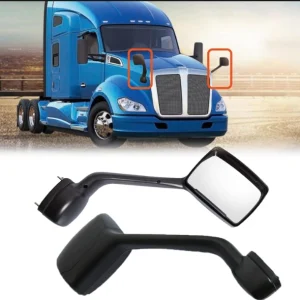
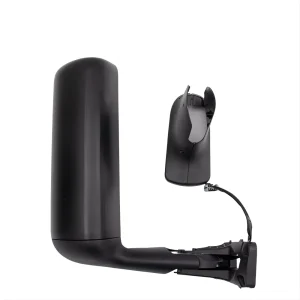
Truck-side view mirrors are essential for safe driving, providing visibility of the surrounding traffic and helping truck drivers navigate the roads with confidence. However, over time, mirrors can become damaged, cracked, or worn out. When this happens, it’s important to replace them promptly to ensure optimal visibility and safety on the road. In this ultimate guide, we’ll walk you through the process of replacing truck side view mirrors step by step.
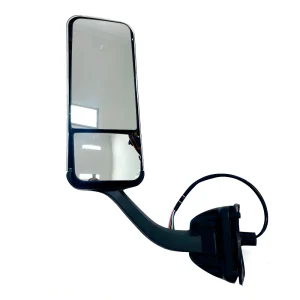
Tools and Materials Needed
Before you begin the mirror replacement process, gather all the necessary tools and materials. Here’s what you’ll need:
1. New truck side view mirror: Make sure to purchase a mirror that is compatible with your truck’s make and model.
2. Screwdrivers: You’ll need both flathead and Phillips screwdrivers.
3. Wrenches: Depending on your truck’s mirror mounting system, you may need adjustable wrenches or socket wrenches.
4. Pliers: Useful for gripping and manipulating small parts.
5. Electrical tape: In case there are any exposed wires.
6. Clean cloth: For cleaning the mirror and surrounding area.
Assessing the Damage
The first step in replacing a truck side view mirror is to assess the extent of the damage. Inspect the mirror carefully to determine if it is cracked, broken, or simply loose. If the mirror is cracked or broken, it will need to be replaced completely. If it is loose, you may be able to tighten the mounting bolts or screws to secure it.
Removing the Old Mirror
Once you’ve determined that the mirror needs to be replaced, it’s time to remove the old one. Follow these steps:
1. Disconnect any electrical connections: If your truck’s mirror has power-adjustable features or heated elements, there will be electrical connections that need to be disconnected. Use pliers or a small screwdriver to disconnect these connections carefully.
2. Remove the mounting bolts or screws: Locate the mounting bolts or screws that hold the mirror in place. Use a screwdriver or wrench to remove these bolts or screws. Please keep track of all the parts as you remove them.
3. Gently pull the mirror away from the truck: Once the mounting bolts or screws are removed, gently pull the mirror away from the truck. Be careful not to damage the surrounding paint or body panels.
Installing the New Mirror
Now that the old mirror is removed, it’s time to install the new one. Follow these steps:
1. Prepare the new mirror: Remove any protective packaging from the new mirror and inspect it for damage. Make sure all the parts are included and in good condition.
2. Connect any electrical connections: If your new mirror has power-adjustable features or heated elements, connect the electrical connections according to the manufacturer’s instructions.
3. Align the mirror: Hold the new mirror up to the truck and align it properly. Make sure it is centred and at the correct angle for optimal visibility.
4. Install the mounting bolts or screws: Insert the mounting bolts or screws through the holes in the mirror and tighten them securely. Use a wrench or screwdriver to ensure that the mirror is firmly attached to the truck.
Adjusting the Mirror
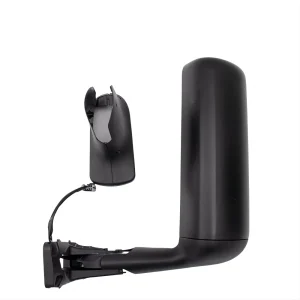
After installing the new mirror, it’s important to adjust it for optimal visibility. Sit in the driver’s seat and adjust the mirror so that you can see clearly behind you and to the sides. Use the power-adjustable features if your truck has them, or manually adjust the mirror by loosening the mounting bolts or screws and repositioning the mirror.
Final Checks
Once you’ve adjusted the mirror, perform some final checks to ensure that it is installed correctly and functioning properly. Check that all the electrical connections are secure and that the mirror is firmly attached to the truck. Test the power-adjustable features and heated elements if applicable. Finally, clean the mirror with a clean cloth to remove any fingerprints or dust.
How much does it cost to replace a side view mirror?
The cost to replace a side view mirror can vary widely depending on several factors.
Factors Influencing Cost
1. Vehicle Make and Model: Luxury or high-end vehicles often have more expensive mirror replacements. For example, a side view mirror for a premium brand car might cost several hundred dollars, while a mirror for a more basic economy car could be in the range of $50 to $150.
2. Type of Mirror:
Manual mirrors are generally less expensive than power-adjustable mirrors. Manual mirrors can cost anywhere from $30 to $100.
Power-adjustable mirrors with additional features like heating, defrosting, or auto-dimming can cost $100 to $500 or more.
3. Quality of Replacement Part:
OEM (Original Equipment Manufacturer) mirrors, which the vehicle’s manufacturer makes, tend to be more expensive but ensure a perfect fit and quality. Prices for OEM mirrors can range from $150 to several hundred dollars.
Aftermarket mirrors, produced by third-party companies, can vary greatly in price and quality. Lower-quality aftermarket mirrors may cost as little as $20 to $50, while higher-quality ones can be in the $80 to $200 range.
4. Installation Costs:
If you are handy and can install the mirror yourself, you’ll only need to pay for the cost of the mirror. However, if you take your vehicle to a professional mechanic or body shop, labour costs can add significantly to the total expense.
Labour costs can range from $50 to $150 or more, depending on the complexity of the installation and the location of the repair shop.
On average, you can expect to pay anywhere from $80 to $400 or more to replace a side view mirror, including both the cost of the mirror and installation if done professionally.
To get a more accurate estimate for your specific vehicle, consider the following steps:
1. Check with your vehicle’s dealership: They can provide you with an estimate for an OEM mirror and installation.
2. Call local auto parts stores: Ask about the price of aftermarket mirrors and if they offer installation services or can recommend a place that does.
3. Look online: Online retailers often have a wide range of mirrors available at different price points. Read customer reviews to ensure the quality of the product.
4. Consider used or refurbished mirrors: These can be a cheaper option, but make sure they are in good condition and come with a warranty.
What are the different mirrors on trucks?
Trucks typically have several different types of mirrors to ensure maximum visibility and safety on the road. Here are the main types:
1. Convex Mirrors
These mirrors have a curved surface that provides a wide-angle view. They are often located on the sides of the truck and help the driver see areas to the side and rear of the vehicle that would otherwise be difficult to observe. Convex mirrors can give a distorted image, but they are essential for detecting other vehicles, pedestrians, and objects in the truck’s blind spots.
They are especially useful for large trucks that have significant blind spots due to their size.
2. Flat Mirrors
Flat mirrors provide a more accurate representation of objects than convex mirrors. They are usually found on the driver’s side and passenger’s side doors. Flat mirrors are important for gauging distances accurately when changing lanes or manoeuvring the truck.
Some trucks may have power-adjustable flat mirrors that can be adjusted from inside the cab for optimal viewing.
3. Spotter Mirrors
Spotter mirrors are small auxiliary mirrors that are attached to the main mirrors or other areas of the truck. They are designed to provide a closer view of specific areas, such as the trailer wheels or the area directly beside the truck.
These mirrors are particularly useful when backing up or manoeuvring with a trailer attached.
4. Fender Mirrors
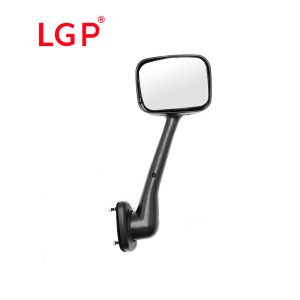
Fender-mounted mirrors are located on the fenders of the truck. They offer a different viewing angle compared to door-mounted mirrors and can be helpful for seeing objects closer to the front of the truck.
Some older trucks or speciality trucks may still use fender mirrors.
5. Telescoping Mirrors
These mirrors can be extended or retracted to adjust the viewing range. Telescoping mirrors are useful when driving in different conditions or when towing a wide load. The driver can extend the mirrors to get a better view of the surrounding area and retract them when not needed to reduce the overall width of the truck.
Many modern trucks come with power telescoping mirrors that can be adjusted with the push of a button.
6. Heated Mirrors
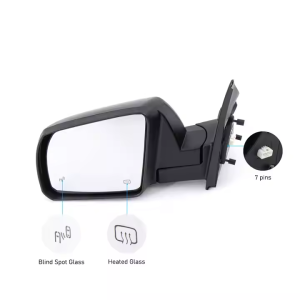
Heated mirrors have a built-in heating element that helps to melt snow, ice, and condensation. This is especially important in cold weather conditions to ensure clear visibility.
Heated mirrors can be a valuable safety feature, as they prevent the accumulation of ice and fog on the mirror surface.
7. Auto-Dimming Mirrors
Auto-dimming mirrors use sensors to detect bright lights from behind and automatically adjust the mirror’s reflectivity to reduce glare. This helps to improve visibility at night and in situations where there is strong rear lighting, such as when driving behind a vehicle with high beams on.