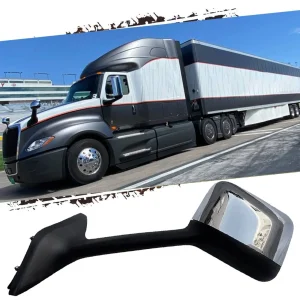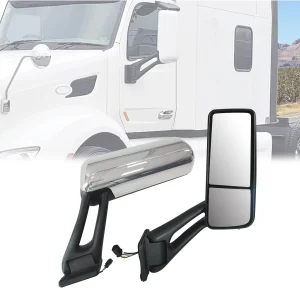
The truck body parts industry plays a pivotal role in keeping the global transportation sector operational and efficient. Manufacturers, suppliers, and distributors collaborate to provide a diverse array of high-quality parts that are integral to the functionality, durability, and safety of commercial trucks and lorries. This article delves deep into the world of truck body parts manufacturers, exploring their manufacturing processes, supply chain dynamics, distributor networks, and pricing strategies, highlighting the factors influencing these aspects.

Manufacturing Landscape
Truck body parts manufacturing encompasses a broad spectrum, from cab structures and chassis frames to cargo boxes, bumpers, doors, hoods, and lighting systems. Leading manufacturers invest heavily in research and development to engineer parts that meet stringent safety standards, withstand harsh operating conditions, and improve fuel economy. Materials used include high-strength steel, aluminum alloys, and composites to ensure durability and lightweight construction.
These manufacturers employ cutting-edge production methods, such as robotic welding, precision stamping, and computer-aided design (CAD) tools to ensure consistent quality and rapid production. Sustainability practices are also integrated, focusing on recyclability and minimizing waste.

Suppliers and Raw Materials
Suppliers in the truck body parts ecosystem play a critical role in delivering raw materials and components to manufacturers. Steel mills, aluminum extruders, and plastics producers form the backbone of this network, ensuring a constant supply of essential resources. Suppliers must adhere to strict delivery schedules and quality standards to prevent bottlenecks in the production line.
Moreover, there’s a growing trend of strategic partnerships between part manufacturers and raw material suppliers to streamline operations, secure stable prices, and foster innovation in materials technology.
Distribution Networks
Distributors act as the bridge between manufacturers and end-users, which include truck assemblers, repair shops, and fleet owners. These entities maintain large inventories of parts, manage logistics, and ensure prompt delivery to customers worldwide. Some distributors specialize in specific types of parts, while others offer a comprehensive range of products for various truck makes and models.
Global distribution relies on sophisticated inventory management systems, robust logistical support, and e-commerce platforms that facilitate easy ordering and tracking. Many distributors have evolved to offer customized solutions, technical assistance, and after-sales services, enhancing customer satisfaction and loyalty.
Pricing Strategies
Pricing in the truck body parts market is influenced by several factors:
1. Material Costs: Fluctuations in metal and commodity prices directly affect the cost of producing parts.
2. Production Volume: Economies of scale come into play, where larger production runs can lead to lower per-unit costs.
3. Quality and Durability: Premium parts designed for enhanced performance or extended life expectancy command higher prices.
4. Regulatory Compliance: Meeting safety and environmental regulations can add to the cost of production.
5. Market Competition: Competitive forces dictate price points, with companies balancing affordability against profit margins.
6. Supply and Demand: Shortages in supply due to disruptions or increased demand can lead to price hikes, while excess inventory might result in discounts.
7. Technology and Innovation: Advanced features, such as smart sensors, aerodynamic designs, or lightweight materials, can increase the value proposition and thus the price of the parts.

In conclusion, the truck body parts industry thrives on a complex interplay of manufacturing prowess, efficient supply chains, expansive distribution networks, and strategic pricing. As the automotive industry shifts toward electrification and autonomous driving, truck body parts manufacturers, suppliers, and distributors will continue to innovate and adapt to meet evolving needs and market trends. Understanding the nuances of this dynamic landscape is essential for stakeholders seeking to navigate the ever-changing terrain of the global trucking sector.