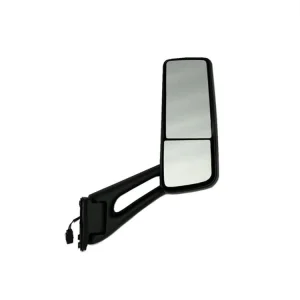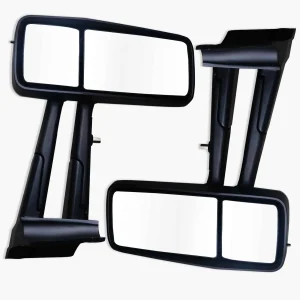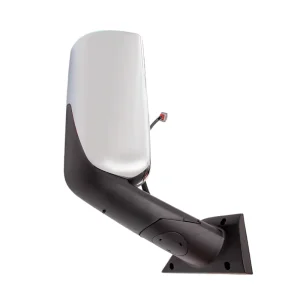
The rear view mirror is an essential safety feature in any vehicle. It provides the driver with a view of the area behind the vehicle, helping to prevent accidents and ensure safe driving. However, setting the rear view mirror correctly is crucial to maximize its effectiveness. In this article, we will explore what the best setting for the rear view mirror is and how to achieve it.
The rear view mirror plays a vital role in a driver’s ability to see what is happening behind the vehicle. It allows the driver to monitor traffic, detect potential hazards, and make safe lane changes and maneuvers. A properly adjusted rear view mirror can significantly enhance a driver’s situational awareness and contribute to safer driving.
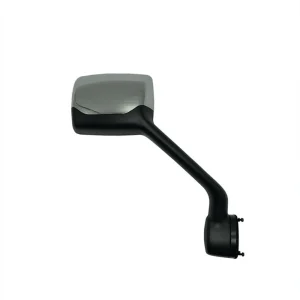
Importance of a Correctly Set Rear View Mirror
1. Enhanced Visibility
A well-adjusted rear view mirror provides a clear and unobstructed view of the area behind the vehicle. This allows the driver to see other vehicles, pedestrians, and obstacles, increasing visibility and reducing the risk of collisions.
With a properly set mirror, the driver can quickly assess the distance and speed of approaching vehicles, enabling them to make informed decisions and take appropriate actions.
2. Prevention of Blind Spots
Blind spots are areas around the vehicle that cannot be seen directly through the side mirrors or windshield. A correctly adjusted rear view mirror can help reduce blind spots by providing a wider field of view.
By minimizing blind spots, the driver can better detect vehicles approaching from the sides or rear, reducing the likelihood of sudden surprises and potential accidents.
3. Safe Lane Changes and Merges
When changing lanes or merging onto a highway, a properly set rear view mirror is essential. It allows the driver to see if there are any vehicles in the adjacent lanes and determine if it is safe to make the maneuver.
Without a correctly adjusted mirror, the driver may not be aware of approaching vehicles, increasing the risk of collisions during lane changes.
4. Increased Situational Awareness
A well-adjusted rear view mirror provides the driver with a better understanding of the overall traffic situation. It allows them to monitor the movement of vehicles behind them and anticipate potential hazards.
With increased situational awareness, the driver can make more informed decisions and react quickly to changing traffic conditions, enhancing safety on the road.
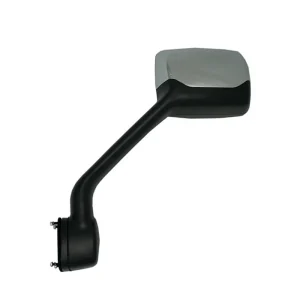
Steps to Set the Rear View Mirror Correctly
1. Adjust the Seat and Steering Wheel
Before adjusting the rear view mirror, it is important to ensure that the driver’s seat and steering wheel are adjusted to a comfortable and proper position. This will help the driver maintain a good driving posture and have optimal control of the vehicle.
The seat should be adjusted so that the driver can reach the pedals and steering wheel comfortably, while still maintaining a safe distance from the airbag. The steering wheel should be adjusted to a height and tilt that allows for easy viewing of the gauges and controls.
2. Position the Rear View Mirror
The rear view mirror should be positioned so that it provides a clear view of the area directly behind the vehicle. To achieve this, the driver should sit in a normal driving position and adjust the mirror until they can see the entire rear window.
The mirror should be angled slightly downward to provide a view of the road surface behind the vehicle. This will help the driver detect any obstacles or hazards on the road.
3. Minimize Blind Spots
To further reduce blind spots, the driver can adjust the side mirrors in conjunction with the rear view mirror. The side mirrors should be adjusted so that they provide a view of the adjacent lanes, with a small overlap with the rear view mirror.
By properly adjusting the side mirrors and rear view mirror, the driver can minimize blind spots and have a comprehensive view of the surrounding traffic.
4. Check and Adjust as Needed
After setting the rear view mirror, it is important to periodically check and adjust it as needed. Factors such as changes in seating position, loading of cargo, or passengers can affect the mirror’s alignment.
Regularly checking and adjusting the rear view mirror will ensure that it remains properly set and provides the best possible view of the area behind the vehicle.
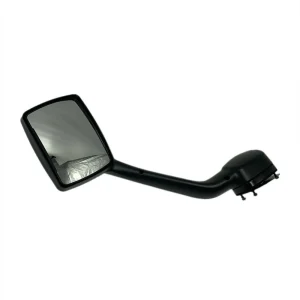
Tips for Using the Rear View Mirror Effectively
1. Use Both Mirrors
In addition to the rear view mirror, drivers should also use the side mirrors to get a complete view of the surrounding traffic. By using all three mirrors, the driver can have a better understanding of the traffic situation and make safer driving decisions.
Regularly glance at all three mirrors to monitor the movement of vehicles around you and be aware of any potential hazards.
2. Be Aware of Distortions
Some rear view mirrors may have slight distortions or blind spots. Be aware of these areas and compensate by using other mirrors or turning your head to check for vehicles.
If you notice any significant distortions in the mirror, it may be time to replace it with a new one.
3. Keep the Mirror Clean
A dirty or foggy rear view mirror can reduce visibility and make it difficult to see clearly. Regularly clean the mirror with a mild glass cleaner and a soft cloth to ensure a clear view.
Avoid using harsh chemicals or abrasive materials that could damage the mirror.
4. Adjust for Night Driving
At night, the glare from headlights can make it difficult to see through the rear view mirror. Many rear view mirrors have a night setting that reduces glare by tilting the mirror slightly.
Use the night setting when driving at night to improve visibility and reduce eye strain.
Setting the rear view mirror correctly is essential for safe driving. By following the steps outlined in this article and using the mirror effectively, drivers can enhance their visibility, reduce blind spots, and make safer lane changes and maneuvers. Remember to regularly check and adjust the rear view mirror as needed to ensure that it provides the best possible view of the area behind the vehicle. With a properly set rear view mirror, drivers can increase their situational awareness and contribute to safer driving on the road.