When comparing LED and halogen headlights, LEDs generally provide brighter and more efficient illumination than their halogen counterparts. Here’s a detailed comparison between the two technologies to understand why LEDs have become a popular choice for headlight upgrades:
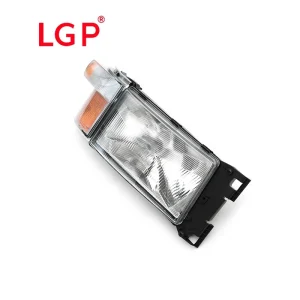
Halogen Headlights
Halogen bulbs have been the standard for automotive headlights for decades. They work by passing an electric current through a tungsten filament enclosed in a bulb filled with a halogen gas, usually iodine or bromine. When the filament heats up, it emits light.
Brightness:
Halogen bulbs typically produce light with a color temperature around 3000K to 4000K, giving off a yellowish-white light. Their luminosity ranges from around 700 to 2000 lumens, depending on the bulb type and design.
Efficiency:
Halogen headlights are relatively inefficient in terms of energy use. A significant portion of the energy consumed is converted into heat rather than light, which is why they can get very hot during operation.
Lifespan:
Halogen bulbs have a shorter lifespan, usually lasting between 400 to 600 hours. They also tend to degrade gradually over time, becoming dimmer before they fail completely.
LED Headlights
LED, short for Light Emitting Diodes, are semiconductor devices that emit light when an electric current passes through them. In automotive applications, LEDs are often arranged in arrays to provide sufficient light output for headlights.
Brightness:
LED headlights typically have a higher color temperature, ranging from 5000K to 8000K, producing a whiter or bluer light that is closer to daylight. This can improve visibility and reduce eye strain during nighttime driving. The luminosity of LED headlights can exceed 3000 lumens, making them significantly brighter than halogen bulbs.
Efficiency:
LEDs are far more energy-efficient than halogens. They convert a higher percentage of the consumed energy directly into light, reducing the amount wasted as heat. This efficiency can translate to better fuel economy since the vehicle’s electrical system requires less power.
Lifespan:
LED headlights have a dramatically longer lifespan, often lasting upwards of 20,000 to 50,000 hours. This means they can last the lifetime of the vehicle without needing replacement, reducing maintenance costs and hassle.
Additional Benefits of LEDs:
Instant On/Off: Unlike halogens that may take a moment to reach full brightness, LEDs turn on and off instantly.
Directional Lighting: LEDs can be designed to direct light more precisely, reducing glare for oncoming drivers and improving overall visibility.
Customization: LEDs offer more opportunities for customization in terms of color, intensity, and beam patterns.
Environmental Impact: Due to their longevity and energy efficiency, LEDs have a lower environmental impact over their lifecycle.
Conclusion
In summary, LED headlights are definitively brighter and more efficient than halogen headlights. They provide improved visibility, consume less energy, last significantly longer, and offer additional benefits like instant on/off response and customizable designs. While the initial cost of LED headlights is typically higher, the long-term savings in energy consumption, reduced maintenance, and enhanced safety make them a worthwhile investment for many vehicle owners. As technology advances and production costs decrease, LED headlights are increasingly becoming the preferred choice for both OEM installations and aftermarket upgrades.