Proper positioning of semi-truck mirrors is critical for ensuring optimal visibility and safety on the road. Due to the size and configuration of semi-trucks, drivers must rely heavily on their mirrors to monitor their surroundings, especially since direct rearward visibility is often obstructed by the trailer. Correctly adjusting semi-truck mirrors not only complies with federal regulations but also enhances situational awareness, reducing the risk of accidents and improving overall driving efficiency. This comprehensive guide will outline the best practices for positioning semi-truck mirrors, covering the main types of mirrors used and the specific adjustments required for each.
Understanding Semi-Truck Mirror Systems
Semi-trucks typically utilize a combination of mirrors to provide a comprehensive view of the surrounding environment. These include:
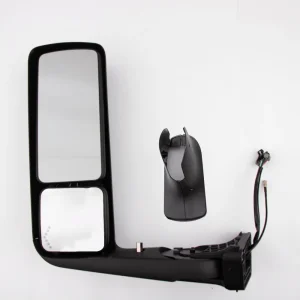
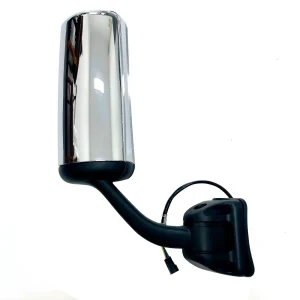
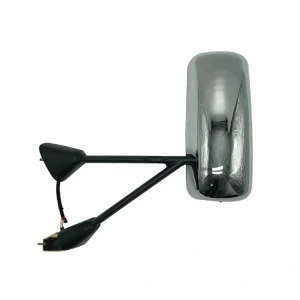
1. Main Mirror (Door Mirror): This mirror is located on the door and provides a view of the area directly behind the truck.
2. Extended View Mirror (Fender Mirror): Positioned on the fender, this mirror extends the driver’s view further back and to the sides, helping to eliminate blind spots.
3. Cross-view Mirror: Often mounted on the top of the cab, this mirror assists in viewing the area directly behind the trailer.
4. Bumper Mirror: Located on the bumper, it aids in backing up and provides a view of the area directly beneath the truck.
Positioning Semi-Truck Mirrors: Best Practices
1. Main Mirror (Door Mirror)
Adjust the main mirror so that the horizon is visible in the middle of the mirror.
Ensure that the side of the trailer is visible in the far right corner of the mirror.
Aim to see the lane beside you, rather than focusing solely on the sky or the ground.
2. Extended View Mirror (Fender Mirror)
Tilt this mirror downward so that it shows the ground or pavement just beyond the end of the trailer.
Adjust it horizontally to provide a view of the area behind and to the side of the trailer, minimizing blind spots.
The mirror should show enough of the trailer to ensure you can monitor its alignment and position.
This mirror should be adjusted to show the entire length of the trailer and the area directly behind it.
Position it so that the trailer is visible in the center of the mirror, allowing you to monitor the trailer’s position relative to the road.
4. Bumper Mirror
This mirror should primarily assist in backing up and should show the area directly below the truck and trailer.
Adjust it to see the wheels of the trailer and the ground immediately behind the vehicle.

Adjustments for Optimal Visibility
Personalization: Adjust all mirrors based on your seating position and height to ensure maximum visibility.
Double Check: Always double-check the adjustments while seated in the driver’s position to confirm that you have a clear view of all critical areas.
Night Driving: Consider the effect of night driving on visibility and adjust mirrors accordingly. Nighttime adjustments may differ slightly to accommodate for reduced light and increased glare.
Legal Requirements and Safety Standards
Federal Motor Carrier Safety Regulations (FMCSRs) specify that commercial vehicles must be equipped with at least two mirrors that reflect a clear view of the highway and adjacent areas to the rear of the vehicle. The mirrors must be positioned to eliminate as much of the driver’s blind spots as possible. Adhering to these regulations not only ensures compliance but also promotes safety on the road.
Properly positioning semi-truck mirrors is a fundamental aspect of safe and efficient driving. By following the guidelines outlined above and regularly checking mirror adjustments, drivers can maintain optimal visibility, reduce blind spots, and enhance their ability to react to changing road conditions. Remember, the goal is to see as much of the road and surrounding environment as possible, ensuring not only your safety but also the safety of other road users. Regular maintenance and checks on mirror functionality are also essential to ensure they remain effective throughout their service life.