The rearview mirror is a crucial safety feature in any vehicle, and trucks are no exception. Proper adjustment and utilization of this mirror can significantly enhance your field of vision, enabling safer lane changes, parking maneuvers, and overall situational awareness while driving. In this article, we delve into six practical tips for aiming, adjusting, and effectively using your truck’s rearview mirror to maximize safety and driving comfort.
1. Start with the Right Posture
Before adjusting your mirrors, ensure you’re seated in your usual driving position. Adjust your seat and steering wheel to promote good posture and clear visibility through the windshield. This baseline setting will serve as the foundation for accurate mirror adjustments.
2. Center Rearview Mirror for Optimal Rear Visibility
Begin by focusing on the center rearview mirror. The goal is to see as much of the road behind you as possible without any obstruction from the rear window’s frame or headrests. Position the mirror so the horizon (where the road meets the sky) is at the mirror’s bottom edge. This setup reduces glare from headlights at night and maximizes the view of vehicles behind you.
3. Use the “Seatbelt” Method for Side Mirrors
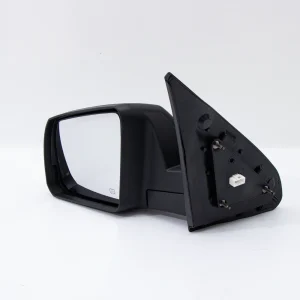
Many drivers incorrectly align side mirrors to see the sides of their truck, creating blind spots. Instead, adjust your side mirrors outward until you just barely see the side of your truck when leaning slightly to the left or right (imagine your head resting on the window). This technique, often referred to as the “seatbelt method,” expands your peripheral vision and virtually eliminates blind spots.

4. Fine-Tune for Night Driving
Adjusting mirrors for nighttime driving requires minimizing headlight glare. Most modern trucks come equipped with day/night rearview mirrors, which have a toggle switch to reduce the intensity of light reflected from behind. Use this feature when facing bright headlights from trailing vehicles. If your truck lacks this feature, angle the rearview mirror slightly upward to reduce glare.
5. Regularly Reassess Mirror Adjustments
Vehicle occupancy, cargo loads, and even tire pressure can affect your truck’s height and therefore alter your mirror views. It’s wise to develop a habit of briefly checking and readjusting your mirrors before every drive, especially if you’ve added passengers or cargo that might obstruct your initial settings.
6. Utilize Additional Mirrors for Enhanced Safety
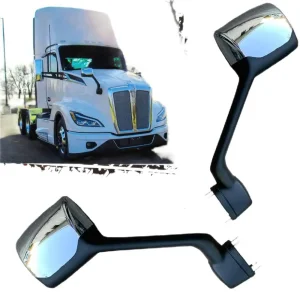
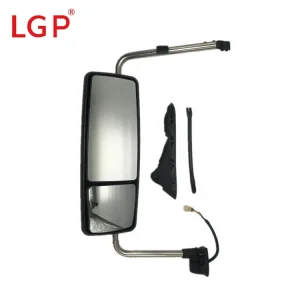
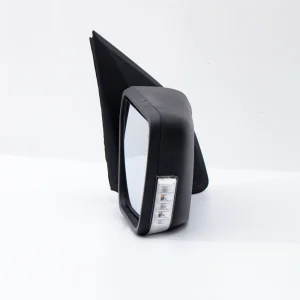
For larger trucks, especially those used for towing trailers or hauling wide loads, standard mirrors might not provide sufficient visibility. Consider investing in extended mirrors, often called towing mirrors, which can be either clipped onto existing mirrors or permanently installed. These offer a wider field of view, reducing blind spots and making lane changes and merging much safer.
7. Practice and Familiarize Yourself
Familiarity breeds comfort, and this applies to mirror usage too. Spend time practicing with your mirrors, especially after making adjustments. Learn to glance quickly between the center mirror and both side mirrors, developing a mental composite of the entire area surrounding your truck. This skill, known as “mirror scanning,” is critical for safe and defensive driving.
Conclusion
Mastering the art of mirror adjustment and usage is a fundamental aspect of responsible truck driving. By implementing these six tips, you can significantly enhance your situational awareness, minimize blind spots, and ultimately contribute to safer roads for everyone. Remember, regular checks and adjustments, combined with a thorough understanding of your truck’s visibility dynamics, are key to maximizing the effectiveness of your mirrors. Stay vigilant, stay safe, and enjoy the journey!