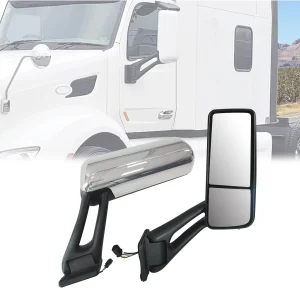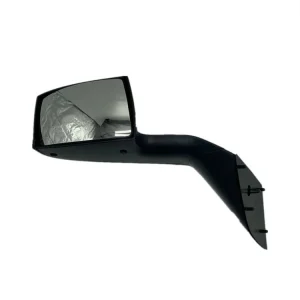
A left outside rearview mirror, often abbreviated as LORVM, is a critical component of automotive safety and functionality. Positioned on the left exterior side of a vehicle, this mirror reflects the area behind and to the left of the car, enabling the driver to monitor traffic, pedestrians, and obstacles that are not directly visible through the rear windshield. The importance of rearview mirrors cannot be overstated, as they play a pivotal role in ensuring safe driving practices, particularly during maneuvers such as changing lanes, turning, and parking. This article delves into the details of left outside rearview mirrors, exploring their design, functionality, legal requirements, and technological advancements.

Design and Functionality
Left outside rearview mirrors are typically designed to withstand various environmental conditions, including extreme temperatures, rain, snow, and dust. They are usually made from a combination of durable materials such as plastic, metal, and glass, with the reflective surface often treated to resist scratches and weathering. The mirror itself is attached to the vehicle via a mounting bracket, which is designed to absorb vibrations and minimize noise.
These mirrors are designed to provide a wide field of view, which is crucial for the driver to maintain situational awareness. Depending on the vehicle model, the left outside rearview mirror may be flat, providing a true-to-life image, or convex, which distorts the image slightly but increases the viewing angle. Some high-end vehicles incorporate multiple mirror elements, combining flat and convex sections to offer both accuracy and broad coverage.
Legal Requirements
Regulations regarding rearview mirrors vary by country and region. In the United States, for instance, the National Highway Traffic Safety Administration (NHTSA) mandates that vehicles must have at least two rearview mirrors—one on the left and one on the right—unless the driver can otherwise clearly see 200 feet to the rear of the vehicle. The left outside rearview mirror is particularly important because it compensates for the driver’s natural right-side bias, ensuring that blind spots on the left side are minimized.
In Europe, the United Nations Economic Commission for Europe (UNECE) sets standards for rearview mirrors, specifying dimensions, performance criteria, and installation requirements. These regulations ensure that all vehicles sold within the European Union meet minimum safety standards.

Technological Advancements
Advancements in automotive technology have led to significant enhancements in the capabilities of left outside rearview mirrors. Some notable features include:
1. Heated Mirrors
Heated mirrors contain embedded heating elements that warm up the glass surface, preventing fogging and melting away ice and snow. This feature is particularly useful in cold and humid climates, ensuring that the mirror remains clear under all weather conditions.
2. Power Adjustment
Many modern vehicles are equipped with power-adjustable mirrors, which can be controlled from inside the vehicle. This feature allows drivers to easily adjust the mirror position to suit their height and seating preference, often with memory settings for multiple drivers.
3. Automatic Dimming
Automatic dimming mirrors use a sensor to detect the intensity of light reflecting off the mirror. When headlights from vehicles behind are detected, the mirror darkens to reduce glare, enhancing night-time driving safety.
4. Integrated Turn Signals
Some left outside rearview mirrors incorporate LED turn signals, providing additional visibility to other drivers when changing lanes or turning. This feature enhances safety by making the driver’s intentions clearer to surrounding traffic.
5. Camera Monitoring Systems
In response to aerodynamic and safety concerns, some vehicles now feature camera monitoring systems that replace traditional mirrors with cameras and interior displays. These systems can provide a wider field of view and eliminate blind spots, although they are subject to regulatory approval in many regions.
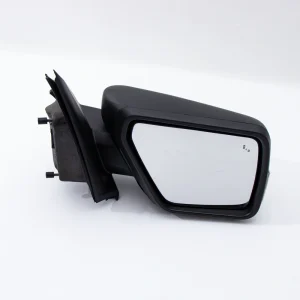
The left outside rearview mirror is an indispensable element of automotive design, serving as the eyes of the driver in critical driving situations. Its evolution from a simple reflective surface to a sophisticated piece of technology reflects the broader trend of integrating safety and convenience features into automobiles. As automotive technology continues to advance, the role of rearview mirrors in enhancing driver awareness and vehicle safety is likely to grow, adapting to meet new challenges and opportunities presented by the future of mobility.