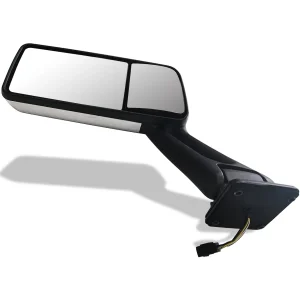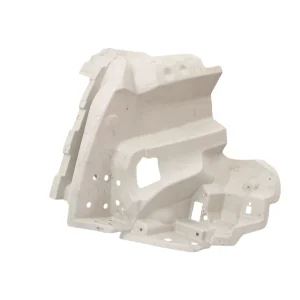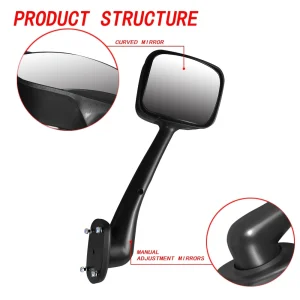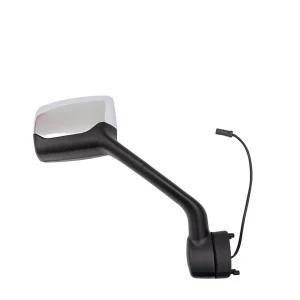
The side rear view mirror is an essential safety feature on any vehicle. It provides the driver with a clear view of the surrounding traffic, helping to prevent accidents and ensure a safe driving experience. However, like any part of a vehicle, side rear view mirrors can become damaged or broken over time. Whether due to an accident, vandalism, or normal wear and tear, a damaged side rear view mirror needs to be replaced promptly. In this article, we will provide a detailed guide on side rear view mirror replacement.
A side rear view mirror is an important component of a vehicle’s safety system. It allows the driver to see what is happening behind and to the side of the vehicle, providing crucial information for changing lanes, merging, and parking. When a side rear view mirror is damaged or broken, it can significantly impair the driver’s visibility and increase the risk of an accident. Therefore, it is essential to replace a damaged side rear view mirror as soon as possible.
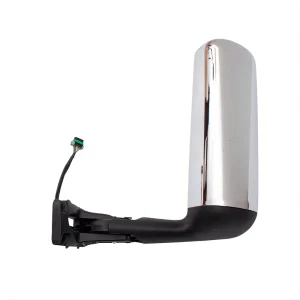
Types of Side Rear View Mirrors
There are several types of side rear view mirrors available, each with its own unique features and benefits. The most common types of side rear view mirrors include:
1. Manual Side Rear View Mirrors
Manual side rear view mirrors are the simplest and most basic type of mirror. They require the driver to adjust the mirror manually using a lever or knob. Manual mirrors are typically less expensive than power mirrors and are often found on older or budget-friendly vehicles.
2. Power Side Rear View Mirrors
Power side rear view mirrors are more advanced than manual mirrors. They can be adjusted electrically using controls located on the driver’s door panel or steering column. Power mirrors offer greater convenience and ease of use, as they can be adjusted quickly and accurately without the need for manual adjustments.
3. Heated Side Rear View Mirrors
Heated side rear view mirrors are designed to prevent fogging and ice buildup in cold weather. They use a heating element built into the mirror to keep the glass clear and provide better visibility. Heated mirrors are especially useful in areas with cold climates or during the winter months.
4. Auto-Dimming Side Rear View Mirrors
Auto-dimming side rear view mirrors are designed to reduce glare from headlights of other vehicles. They use a special coating or electronic sensor to automatically adjust the mirror’s brightness, reducing eye strain and improving visibility. Auto-dimming mirrors are often found on higher-end vehicles and can provide a significant safety benefit.
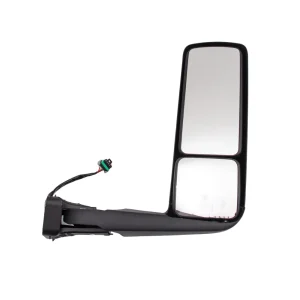
Signs of a Damaged Side Rear View Mirror
There are several signs that indicate a damaged side rear view mirror. Some of the most common signs include:
1. Cracked or Broken Glass
The most obvious sign of a damaged side rear view mirror is cracked or broken glass. This can occur due to an accident, vandalism, or a rock hitting the mirror. Cracked or broken glass can impair the driver’s visibility and should be replaced immediately.
2. Loose or Wobbly Mirror
If the side rear view mirror is loose or wobbly, it may be damaged or improperly installed. Loose mirrors can vibrate or move while driving, making it difficult to see clearly and increasing the risk of an accident. A loose mirror should be tightened or replaced as soon as possible.
3. Electrical Problems
Power side rear view mirrors rely on electrical connections to function properly. If the mirror is not adjusting properly or there are issues with the electrical controls, it may indicate a problem with the wiring or motor. Electrical problems should be diagnosed and repaired by a professional mechanic.
4. Faded or Discolored Mirror
Over time, the mirror’s coating or finish may fade or become discolored. This can reduce visibility and make it difficult to see clearly. Faded or discolored mirrors should be replaced to ensure optimal visibility.
Steps for Side Rear View Mirror Replacement
Replacing a side rear view mirror can seem like a daunting task, but with the right tools and a little know-how, it can be done easily and safely. Here are the general steps for side rear view mirror replacement:
1. Determine the Type of Mirror Needed
Before purchasing a replacement mirror, it is important to determine the type of mirror that is compatible with your vehicle. This can be done by checking the vehicle’s owner’s manual or by consulting with a professional mechanic or auto parts store. Make sure to note the make, model, and year of your vehicle, as well as any specific features or options that your mirror may have.
2. Purchase the Replacement Mirror
Once you have determined the type of mirror needed, you can purchase a replacement mirror from an auto parts store, online retailer, or dealership. Make sure to choose a high-quality mirror that is designed to fit your specific vehicle. You may also want to consider purchasing a mirror with additional features such as heated glass, auto-dimming, or power adjustment.
3. Prepare the Vehicle
Before replacing the side rear view mirror, it is important to prepare the vehicle. Park the vehicle in a safe and level location and turn off the engine. Remove any loose items or debris from the area around the mirror to prevent damage or interference during the replacement process.
4. Remove the Old Mirror
To remove the old mirror, start by opening the vehicle’s door and locating the mounting screws or clips that hold the mirror in place. These may be located inside the door panel or on the outside of the mirror housing. Use a screwdriver or socket wrench to remove the mounting screws or clips and carefully detach the old mirror from the vehicle. Be careful not to damage the vehicle’s paint or wiring during the removal process.
5. Install the New Mirror
Once the old mirror has been removed, it is time to install the new mirror. Start by aligning the new mirror with the mounting holes on the vehicle and inserting the mounting screws or clips. Tighten the screws or clips securely using a screwdriver or socket wrench. Make sure the mirror is properly aligned and adjusted for optimal visibility.
6. Test the New Mirror
After installing the new mirror, it is important to test it to make sure it is functioning properly. Adjust the mirror’s position and check for any signs of looseness or vibration. Test the electrical controls if applicable, and make sure the mirror provides a clear and unobstructed view. If there are any issues with the new mirror, consult with a professional mechanic or auto parts store for assistance.
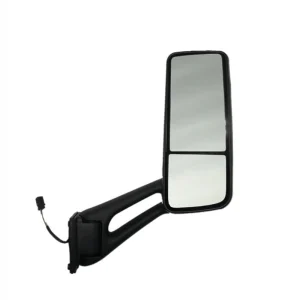
Tips for a Successful Side Rear View Mirror Replacement
To ensure a successful side rear view mirror replacement, here are some tips to keep in mind:
1. Use the Right Tools
Make sure to have the proper tools on hand before starting the replacement process. This may include screwdrivers, socket wrenches, pliers, and other hand tools. If you are replacing a power mirror, you may also need electrical tools such as a multimeter or wire stripper.
2. Follow the Manufacturer’s Instructions
When purchasing a replacement mirror, make sure to read and follow the manufacturer’s instructions carefully. These instructions will provide specific guidance on the installation process and any precautions that need to be taken.
3. Take Your Time
Side rear view mirror replacement can be a delicate and time-consuming process. Take your time and be careful not to rush through the steps. This will help ensure that the replacement is done correctly and that the mirror functions properly.
4. Consider Professional Installation
If you are not comfortable performing the replacement yourself, consider having a professional mechanic or auto body shop install the new mirror. While this may cost more than doing it yourself, it can provide peace of mind and ensure that the job is done correctly.
A damaged side rear view mirror can be a safety hazard and should be replaced promptly. By following the steps and tips outlined in this article, you can replace a damaged side rear view mirror easily and safely. Whether you choose to do it yourself or have a professional install the new mirror, make sure to choose a high-quality mirror that is designed to fit your specific vehicle. This will help ensure optimal visibility and safety on the road.