Car and pickup truck mirrors serve similar fundamental purposes – to assist drivers in maintaining awareness of their surroundings and enhancing safety while driving. However, there are notable differences between the two, reflecting the distinct requirements and operating environments of cars and pickup trucks. Here’s a detailed comparison of the key differences:
1. Size and Shape
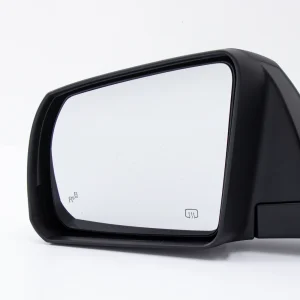
Cars: Mirrors on passenger cars tend to be smaller and more streamlined, designed to complement the vehicle’s aerodynamics and aesthetics. Side mirrors are usually flat, providing a direct reflection of the area behind the car.
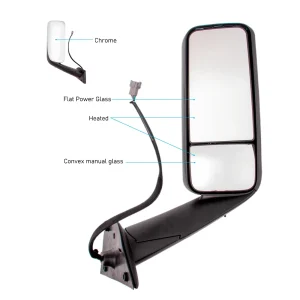
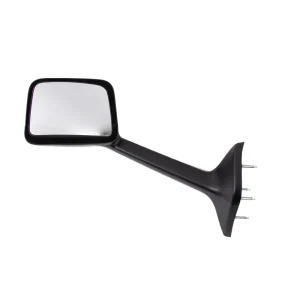
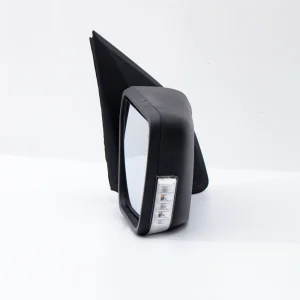
Pickup Trucks: Pickup trucks often feature larger mirrors, especially extended or convex mirrors, which are wider and curved outward to provide a broader field of view. This design compensates for the larger blind spots created by the truck’s size, particularly the long bed behind the cab, and any potential towed trailers.
2. Adjustability and Features
Cars: While modern cars come with electrically adjustable mirrors as standard, some base models may still have manual adjustments. Features like heating elements to clear fog and ice, and integrated turn signals are increasingly common.
Pickup Trucks: Pickup trucks typically have electric adjustment as a standard feature, given their larger size and the necessity for frequent adjustments based on load and towing configurations. Advanced features such as power-folding, auto-dimming to reduce glare from trailing vehicles, and integrated cameras for enhanced rear visibility are also more prevalent in pickups due to their utilitarian nature.
3. Convexity and Blind Spot Reduction
Cars: Passenger car mirrors, especially the passenger-side mirror, may incorporate slight convexity to broaden the view, but this is less pronounced than in pickup truck mirrors.

Pickup Trucks:Pickup trucks extensively use convex or fisheye mirrors, particularly on the passenger side, to significantly increase the viewing angle and minimize blind spots caused by the truck’s length and any towed loads. These mirrors often have a warning label indicating objects may appear closer than they are due to the curvature.
4. Towing Mirrors
Cars: Cars rarely need specialized towing mirrors since they are less likely to tow large trailers or boats regularly. If towing is required, aftermarket extensions or clip-on mirrors might be used.
Pickup Trucks: Many pickup trucks are designed for heavy towing, necessitating towing mirrors that either extend manually or electronically to provide a clear view past the trailer. These mirrors can be larger, have additional segments, or be replaceable to accommodate different towing needs.
5. Mounting and Stability
Cars:Car mirrors are mounted directly onto the door or the window frame, designed to be compact and stable at high speeds.
Pickup Trucks: Pickup truck mirrors are often mounted on extendable arms or brackets to position them further from the body, improving visibility around the wider truck and potential trailer. This design also allows for flexibility in adjusting the mirror’s position based on the load or towing situation, ensuring stability even under high wind loads during towing.
Conclusion
In summary, the differences between car and pickup truck mirrors stem from the vehicles’ differing sizes, intended uses, and operational demands. Pickup truck mirrors prioritize a wider field of view, enhanced adjustability, and features to accommodate towing, reflecting their role in heavy-duty transportation and work applications. Meanwhile, car mirrors focus on integration with the vehicle’s design, efficiency, and basic safety needs for everyday driving. Understanding these differences underscores the importance of appropriate mirror selection for each vehicle type to ensure maximum safety and performance.