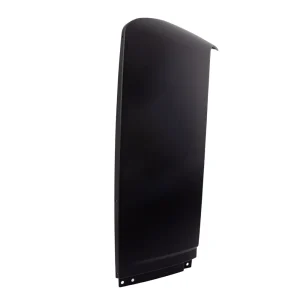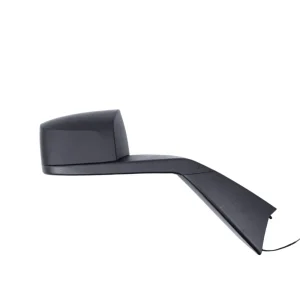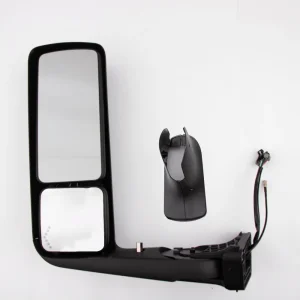
Understanding the various parts of a truck body and their functions is essential for anyone involved in the operation, maintenance, or customization of these vehicles. Trucks, particularly heavy-duty commercial ones, are composed of numerous components designed to optimize cargo handling, safety, and performance. Below, we’ll discuss some of the key parts of a typical truck body along with their uses, although please note that illustrations are not possible in this text-based format.
1. Cab
The cab is the enclosed compartment where the driver and passengers sit. It houses the controls, instruments, and seating area. Depending on the truck’s design, cabs can be day cabs (for local deliveries without sleeping accommodations), extended cabs with additional space behind the seats, or sleeper cabs that include a berth for resting during long hauls.
2. Hood/Bonnet
The hood covers the engine compartment and can be opened to access the engine for maintenance or repair. Its design influences the truck’s aerodynamics and overall aesthetic.
3. Bumper
The bumper, located at the front and sometimes the rear of the truck, serves as a protective barrier absorbing low-speed impacts, protecting the truck’s structure and other components from damage.
4. Grille
The grille allows air to flow into the engine compartment to cool the radiator and engine. It’s often a prominent design feature, contributing to the truck’s visual identity.
5. Headlights/Taillights
Headlights provide illumination for night driving and poor visibility conditions, while taillights and brake lights signal the truck’s presence and actions to vehicles behind. Turn signals and hazard lights are also integrated within these systems.
6. Fenders
Fenders cover the wheels, protecting the body and bystanders from debris thrown up by rotating tires. They also contribute to the truck’s aesthetics.
7. Doors
Cab doors provide entry and exit points for the driver and passengers. On cargo bodies, side or rear doors grant access to the load area.
8. Cargo/Box Body
The cargo or box body is the primary space for transporting goods. It varies in size and design depending on the application, from flatbeds for oversized loads to refrigerated bodies for perishables.
9. Liftgate/Rear Ramp
Many trucks feature a liftgate or rear ramp to facilitate loading and unloading cargo. Liftgates are hydraulic or electrically operated platforms that lower to ground level, while ramps are fixed or foldable structures allowing wheeled cargo to be pushed up or down.
10. Underside Protection
Skid plates or belly pans protect the truck’s underside from damage when traveling over rough terrain or debris.
11. Fuel Tanks
Located beneath the cab or along the chassis, fuel tanks store diesel or gasoline to power the truck’s engine. Their size depends on the vehicle’s range requirements.
12. Exhaust System
The exhaust system, including the muffler and tailpipe, directs engine exhaust gases away from the cab, reducing noise and emissions. Diesel particulate filters (DPFs) are often included to meet emission standards.
13. Chassis
The chassis is the truck’s underlying frame, providing structural support for the cab, engine, and cargo body. It includes axles, suspension, brakes, and drivetrain components.
14. Tires and Wheels
Tires and wheels are crucial for mobility, with tire selection depending on the terrain, load, and weather conditions. Dual rear wheels are common on heavy trucks for added stability and load-bearing capacity.
15. Mirrors
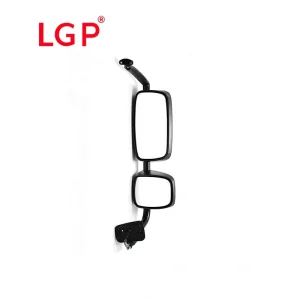
Side-view and rearview mirrors, often extended, are vital for visibility around the large truck, compensating for extensive blind spots.
16. Air Horns
Loud air horns are necessary for alerting other road users in noisy environments or emergency situations.
Each component plays a vital role in the safety, efficiency, and functionality of a truck. Regular maintenance and understanding the importance of these parts ensure the truck operates smoothly and reliably, contributing to a safer road environment for all.