Fixing an inside car mirror, also known as a rearview mirror, can be a straightforward task for most vehicle owners. Whether it’s a loose connection, a broken mount, or a damaged mirror surface, addressing these issues promptly can restore visibility and enhance driving safety. This guide will walk you through the common problems encountered with inside car mirrors and provide step-by-step instructions on how to fix them. We’ll cover everything from minor adjustments to complete replacements, ensuring that you can tackle these issues confidently.

Common Problems with Inside Car Mirrors
Before diving into repairs, it’s important to diagnose the specific problem affecting your rearview mirror. Here are some common issues:
1. Loose Mirror: The mirror wobbles or moves when touched, indicating a loose connection or mounting issue.
2. Broken Mirror Glass: The glass is cracked or shattered, impairing visibility.
3. Damaged Mount: The mount that holds the mirror to the windshield or visor is broken or deteriorated.
4. Misalignment: The mirror is not positioned correctly, requiring adjustment.
Tools and Materials Needed
To fix an inside car mirror, you’ll need the following tools and materials:
Replacement mirror (if necessary)
Mounting adhesive (e.g., super glue or epoxy)
Screwdriver (flathead or Phillips, depending on the model)
Clean cloth or paper towels
Isopropyl alcohol (for cleaning surfaces)
Fixing a Loose Inside Car Mirror
Step 1: Remove the Mirror
Use a screwdriver to carefully remove the mirror from its mount. This often involves unscrewing the mirror from the mount or prying it off gently.
Place the mirror aside and inspect the mounting point for any damage.
Step 2: Inspect the Mount
Check the mount for any cracks or wear. If the mount is intact but the mirror still feels loose, it might be due to a worn-out adhesive or a screw that needs tightening.
Tighten any loose screws or apply a small amount of mounting adhesive to secure the mirror more firmly.
Step 3: Reattach the Mirror
If you applied adhesive, wait for it to cure according to the manufacturer’s instructions before reattaching the mirror.
Align the mirror with the mount and press firmly into place. If screws are used, reinsert and tighten them.
Replacing a Broken Mirror Glass
Step 1: Remove the Broken Mirror
Carefully remove any remaining glass shards from the frame to avoid injury.
Clean the frame thoroughly using isopropyl alcohol to remove any debris or old adhesive.
Step 2: Install the New Mirror Glass
Apply a thin bead of mounting adhesive around the edge of the frame.
Press the new mirror glass into the frame, ensuring it is centered and flush.
Hold the mirror in place for a few minutes to allow the adhesive to set, then leave it undisturbed for at least 24 hours to fully cure.
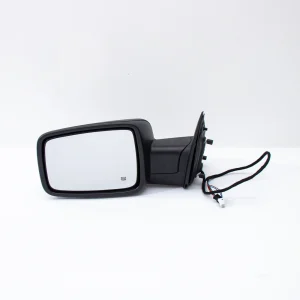
Fixing a Damaged Mount
Step 1: Remove the Old Mount
Carefully detach the old mount from the windshield or visor. This may involve breaking the old adhesive seal or removing screws.
Clean the attachment surface on the windshield or visor with isopropyl alcohol.
Step 2: Install the New Mount
Apply a generous amount of mounting adhesive to the new mount and press it firmly onto the cleaned surface.
Hold the mount in place for several minutes and ensure it is aligned correctly.
Allow the adhesive to cure for the recommended time before reattaching the mirror.
Adjusting a Misaligned Mirror
Step 1: Access the Mirror Adjustment Screws
Locate the adjustment screws, which are usually found on the back of the mirror or on the mounting bracket.
Some mirrors may require removal from the mount to access these screws.
Step 2: Adjust the Mirror
Using a screwdriver, gently turn the adjustment screws to align the mirror to your preferred position.
Test the mirror’s position while sitting in the driver’s seat to ensure it provides adequate visibility.
Fixing an inside car mirror can save you money compared to taking your vehicle to a professional. With the right tools, materials, and a bit of patience, you can address common issues and restore your rearview mirror to its original condition. Whether you’re dealing with a loose mirror, a broken mount, or misalignment, the steps outlined above should help you get back on the road with confidence and improved visibility. Remember, safety is paramount, so ensure your repairs are completed thoroughly and securely.
How much does it cost to fix a mirror inside a car?
The cost to fix an interior mirror in a car can vary depending on multiple factors. Here’s a more detailed look at the potential costs involved:
Type of Repair and Associated Costs
Mirror Glass Replacement
Cost of Mirror Glass: If only the mirror glass is cracked or damaged, you can find replacement glass relatively inexpensively. Basic, non-tinted mirror glass for common car models usually ranges from $5 to $20. Tinted or specialty mirror glass, such as those with a blue tint or anti-glare coating, can cost between $15 and $40.
DIY Labor: Replacing the mirror glass yourself is a relatively simple process for most cars. It typically involves carefully prying out the old glass and inserting the new one into the existing mirror housing. If you do it yourself, the labor cost is essentially zero, but you’ll need to be careful not to damage the housing during the process.
Entire Mirror Assembly Replacement
Cost of Mirror Assembly: If the entire mirror assembly is damaged or malfunctioning, the cost will be higher. A standard interior rearview mirror assembly for an economy or mid-range car can cost anywhere from $30 to $150. These assemblies usually come with basic features like manual adjustment. For vehicles with more advanced features such as auto-dimming, digital displays, or built-in cameras, the cost can range from $200 to $500 or more. Luxury cars may have even more expensive mirror assemblies, with some high-end models costing upwards of $1000 due to their complex features and integrated technology.
Labor for Assembly Replacement: The labor involved in replacing the entire mirror assembly is more complex than just replacing the glass. It may require removing interior trim pieces, disconnecting electrical connectors, and properly aligning and securing the new assembly. If you take your car to a professional mechanic or an auto body shop, labor costs can range from $50 to $150, depending on the complexity of the job and the shop’s hourly rate. At a dealership, the labor cost may be on the higher end of this range, sometimes exceeding $200 for more complex installations.
Additional Costs
Electrical Repairs: If the mirror has electrical components that are not functioning properly, such as the auto-dimming feature or the compass display, there may be additional costs for diagnosing and repairing the electrical issues. This can involve testing the wiring, replacing faulty relays or fuses, or even reprogramming the mirror’s control module. Electrical repair costs can vary widely but could add an extra $50 to $200 or more to the total repair bill, depending on the nature of the problem.
Calibration and Programming: Some advanced mirror systems, especially those with features like lane departure warning cameras or blind-spot detection sensors, may require calibration or programming after installation. This usually requires specialized diagnostic equipment and software, which not all repair shops may have. The cost for calibration and programming can range from $50 to $150, depending on the vehicle make and model and the complexity of the system.
Examples of Total Costs by Vehicle Type
Economy Car
For an economy car like a Toyota Corolla or a Honda Civic, if only the mirror glass needs replacement and you do it yourself, the total cost would be around $5 to $20 for the glass. If you take it to a local mechanic for glass replacement, they may charge around $30 to $50 for labor, bringing the total cost to $35 to $70.
If the entire mirror assembly needs to be replaced in an economy car, the part cost could be around $30 to $80, and with labor, the total cost at a mechanic would be approximately $80 to $230.
Mid-Range Sedan
In a mid-range sedan such as a Ford Fusion or a Nissan Altima, mirror glass replacement by yourself would cost $15 to $40 for the glass. Professional installation of the glass would likely be around $50 to $80 for labor, resulting in a total cost of $65 to $120.
Replacing the entire mirror assembly in a mid-range sedan could cost $100 to $250 for the part, and with labor, the total cost at a shop could range from $150 to $400.
Luxury Vehicle
For a luxury vehicle like a BMW 5 Series or a Mercedes-Benz E-Class, mirror glass replacement can cost $20 to $40 for the glass itself. However, labor costs at a dealership or a specialized luxury car repair shop may be $100 to $200, bringing the total cost to $120 to $240.
If the entire mirror assembly needs replacement in a luxury vehicle, the part cost could be $500 to $1000 or more, and with labor and potential calibration or programming costs, the total repair cost could easily exceed $1000, sometimes reaching $2000 or more depending on the specific features and requirements of the vehicle.
In conclusion, the cost to fix a car’s interior mirror can range from as little as $5 for a simple DIY mirror glass replacement in an economy car to over $2000 for a complex mirror assembly replacement and associated repairs in a luxury vehicle. It’s important to accurately assess the damage and requirements of your specific mirror repair to get an accurate estimate of the cost.