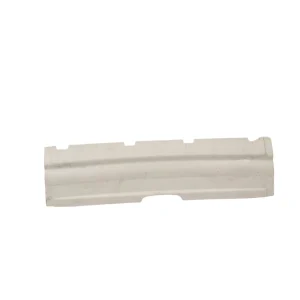
Automotive body parts refer to the exterior components that make up the physical structure and aesthetics of a vehicle, providing both its visual appeal and structural integrity. These parts not only give a car its distinctive look but also play crucial roles in safety, aerodynamics, and protection against external elements. In this comprehensive guide, we will delve into the world of automotive body parts, discussing their functions, types, materials, and importance in the overall performance and longevity of a vehicle.
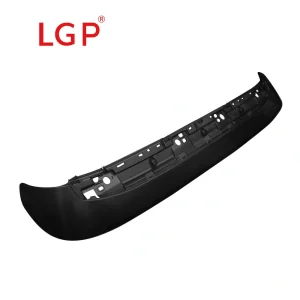
1. The Anatomy of Automotive Body Parts
Structural Components
Frame or Chassis: This is the backbone of any vehicle, providing the base upon which all other body parts are mounted. It bears the weight of the vehicle and transfers loads from various points such as suspension, engine, and body panels.
Unibody Construction: Modern vehicles often feature unibody construction, where the frame and body are integrated. This design offers improved rigidity, crashworthiness, and fuel efficiency over traditional body-on-frame designs.
Body Panels: Including the hood (bonnet), doors, fenders, quarter panels, roof, trunk lid (boot), and bumper fascias, these components form the outer shell of the vehicle, shielding the mechanical parts and occupants.
Functional Components
Windshield and Windows: Made from laminated or tempered glass, they provide visibility for the driver while protecting passengers from wind, debris, and weather conditions.
Headlights and Taillights: Essential for safe driving, these lights illuminate the road ahead and signal to other drivers during night-time driving and in poor visibility conditions.
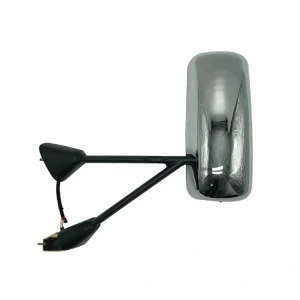
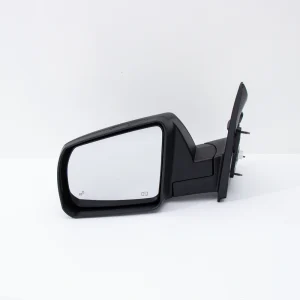
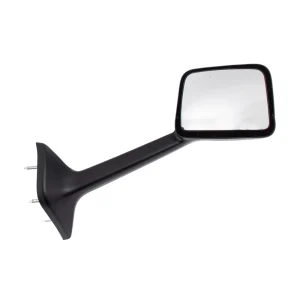
Mirrors: Exterior mirrors allow the driver to see behind and to the sides of the vehicle, while interior mirrors aid in rear visibility.
Grilles and Air Intakes: They facilitate the flow of air into the engine compartment and radiator for cooling purposes.
Bumpers: Designed to absorb low-speed impacts, bumpers protect the more fragile and expensive-to-repair components behind them.
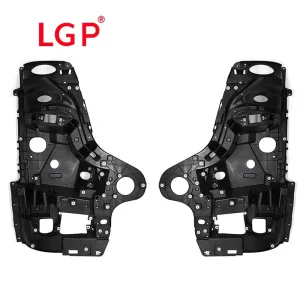
2. Types of Automotive Body Parts
Sheet Metal Parts
These include steel or aluminum sheets formed into different shapes and sizes to create body panels like doors, hoods, and roofs. Advanced high-strength steel (AHSS) and aluminum alloys are widely used due to their strength-to-weight ratios.
Fiberglass and Composite Parts
Lightweight yet strong, fiberglass and composite materials are increasingly used for aesthetic components or aftermarket upgrades. Examples include spoilers, ground effects kits, and some replacement body panels.
Plastics and Polymers
Many non-load-bearing components, such as bumper covers, grilles, and trim pieces, are made from plastic or polymers for cost-effectiveness, durability, and ease of manufacturing.
3. Crash Safety and Protection
Modern automotive body parts contribute significantly to a vehicle’s passive safety features. Crumple zones, reinforced pillars, and energy-absorbing bumpers are designed to deform predictably during collisions, dispersing impact forces away from the passenger compartment.
4. Aerodynamics and Style
The shape and contour of automotive body parts influence a vehicle’s aerodynamic properties, affecting fuel economy and handling. Smooth curves, underbody cladding, and carefully designed air vents all help reduce drag and lift forces.

5. Replacement and Repair
Over time, automotive body parts can become damaged through accidents, rust, or wear-and-tear. Auto repair shops specialize in replacing or repairing these parts using techniques such as welding, bonding, and painting to restore a vehicle’s appearance and structural integrity.
Conclusion
In summary, automotive body parts serve both functional and aesthetic purposes. They define a vehicle’s identity and contribute to its safety, efficiency, and performance. As technology advances, so does the design and engineering of these parts, with manufacturers continually seeking lighter, stronger, and more environmentally friendly materials to improve the overall driving experience. Understanding the intricacies of automotive body parts is therefore critical for vehicle owners, mechanics, and enthusiasts alike.