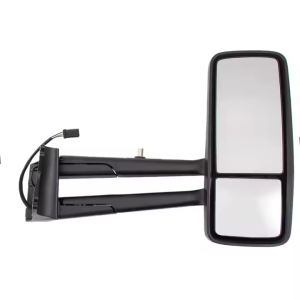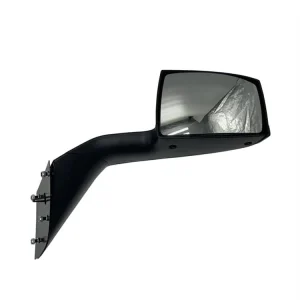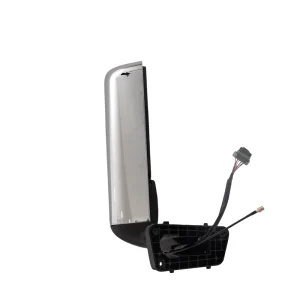
Automobiles, as complex machines that have evolved over more than a century, are composed of numerous mechanical and electronic parts working in harmony to provide transportation. Each component plays a critical role in ensuring the vehicle’s performance, safety, and efficiency. Below is an extensive overview of the primary automotive parts and their functions:

- Engine and Powertrain
Engine:
The heart of any automobile is its engine, which converts fuel into motion through combustion. There are various types of engines such as gasoline (petrol) or diesel engines, hybrid systems, and electric motors. It consists of several sub-components including the cylinder block, pistons, connecting rods, crankshaft, camshaft, valves, and spark plugs (for gasoline engines), or fuel injectors (for diesel engines).
Transmission System:
This transfers the power generated by the engine to the wheels. Manual transmissions involve gears that can be manually shifted by the driver using a clutch, while automatic transmissions change gears automatically based on driving conditions. Modern vehicles also include Continuously Variable Transmissions (CVTs) and dual-clutch transmissions.
Drive Shaft and Differential:
The drive shaft transmits torque from the transmission to the differential, which then splits this power and sends it to the wheels allowing them to rotate at different speeds during turns.
- Chassis and Suspension System
Chassis:
The chassis is the skeletal frame that supports all other components of the vehicle. It provides structural integrity and absorbs road shock.
Suspension System:
This includes springs, shock absorbers, struts, sway bars, and linkages that connect the vehicle body to the wheels. They ensure a smooth ride by dampening vibrations and keeping the tires in contact with the road surface for better traction and control.
- Steering System
It allows the driver to control the direction of the car. This typically involves a steering wheel, steering column, universal joints, rack and pinion or recirculating ball mechanism, and tie rods, which translate the rotational movement of the steering wheel into linear motion to turn the wheels. - Braking System
Comprising brake discs, calipers, pads, drums (in some models), master cylinder, brake lines, and Anti-Lock Braking System (ABS), the braking system slows down or stops the vehicle when necessary. - Wheels and Tires
Wheels are the rotating components that support the vehicle’s weight and allow it to move. Tires are the rubber-coated rings around the wheels that provide traction, absorb shocks, and transmit forces between the vehicle and the ground. - Electrical System
This includes the battery, alternator, starter motor, ignition system, wiring harness, fuses, and relays. It supplies power to the electrical components of the vehicle and powers the starting process. - Fuel System
In traditional internal combustion engines, the fuel system includes the fuel tank, fuel pump, fuel filter, fuel lines, and carburetor or fuel injectors that deliver fuel to the engine in a controlled manner. - Exhaust System
Starting from the exhaust manifold, this system collects exhaust gases from the engine, passes them through a catalytic converter to reduce harmful emissions, and then releases them via the muffler to minimize noise before expelling them out the tailpipe. - Cooling System
Consisting of the radiator, coolant, water pump, thermostat, hoses, and cooling fans, this system maintains the engine temperature within safe operating levels to prevent overheating. - Body and Interior
The body of the vehicle provides aerodynamics and protection from the elements. The interior includes seating, dashboard, air conditioning/heating, audio systems, instrument clusters, lighting, and safety features like airbags, seat belts, and advanced driver assistance systems (ADAS). - Emission Control System
Modern vehicles are equipped with sophisticated emission control systems to meet strict environmental regulations. These can include an oxygen sensor, evaporative emissions control, and exhaust gas recirculation (EGR) systems. - Hybrid/Electric Vehicle Components
For alternative-fuel vehicles, additional components such as high-voltage batteries, electric motors, inverters, and charging systems are crucial parts of the overall design. 
Understanding these key automotive parts is essential not only for drivers to maintain their vehicles but also for engineers and technicians who design, develop, and repair them. As technology advances, so does the complexity and integration of these components, leading to ever more efficient, safer, and eco-friendly vehicles.